Peripheral artery disease (PAD) is narrowing of the arteries supplying the legs, leading to reduced blood flow. It can range from mild intermittent claudication, which causes pain during walking, to chronic limb-threatening ischemia with rest pain, ulcers or gangrene.
PAD is not only a condition affecting the legs. It is also a marker of systemic atherosclerosis and is associated with increased cardiovascular risk. Early recognition, risk-factor management and appropriate vascular assessment are important parts of long-term care.
What Causes Peripheral Artery Disease?
Atherosclerosis is the main cause of PAD. Fatty deposits and other changes within the artery wall can gradually narrow the blood vessel and reduce blood flow to the muscles and tissues of the legs.
PAD can occur without obvious symptoms, so people with important risk factors may benefit from discussing circulation concerns with a healthcare professional.
Risk Factors for PAD
Several factors can increase the likelihood of developing peripheral artery disease. These include:
- Smoking or tobacco exposure
- Diabetes
- High cholesterol
- High blood pressure
- Increasing age
- Family history of vascular disease
Because PAD reflects atherosclerotic disease elsewhere in the body as well, appropriate management of cardiovascular risk factors is an important part of treatment.
Signs and Symptoms You Shouldn't Ignore
The most common symptom of lower-extremity PAD is intermittent claudication. This typically causes aching, cramping, fatigue or discomfort in the calf, thigh, buttock or foot during walking or exercise and improves with rest.
- Calf or thigh pain while walking that improves with rest
- Leg fatigue or heaviness during activity
- Decreased foot or leg temperature
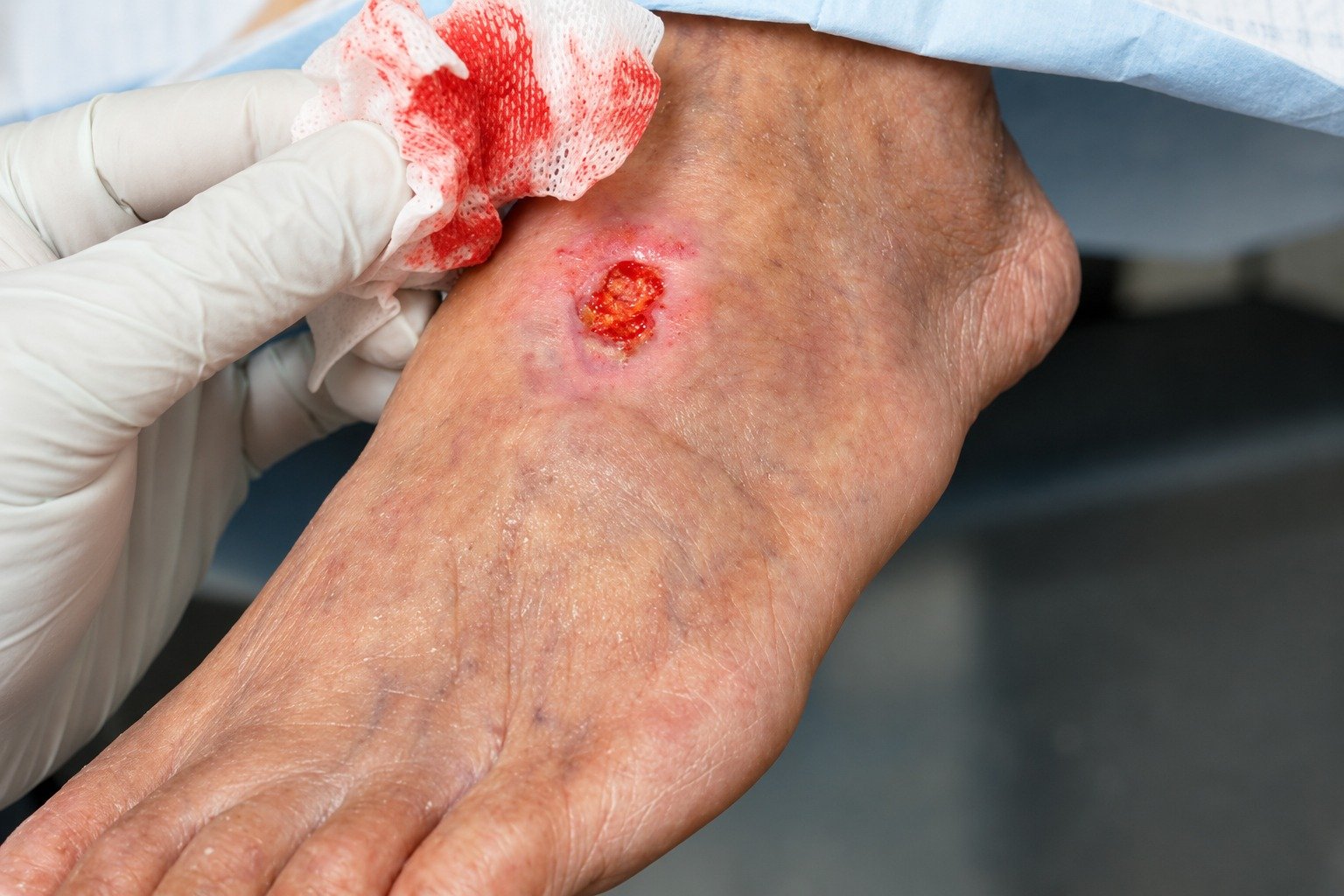
- Slow-healing or non-healing wounds
- Changes in the colour or appearance of the foot
- Pain in the foot or leg at rest in more advanced disease
- Tissue breakdown or gangrene in severe disease
Some people with PAD have few or no obvious symptoms. This is one reason why risk-factor awareness and appropriate clinical assessment are important.
Rest pain, a non-healing wound, blackened tissue, gangrene or a sudden significant change in the colour or temperature of the foot should receive prompt medical assessment. Severe or suddenly worsening symptoms can represent a limb-threatening vascular problem.
How Is PAD Diagnosed?
Diagnosis begins with a detailed medical history and physical examination, including assessment of pulses and circulation in the legs and feet.
The ankle-brachial index (ABI) is a simple, non-invasive first test commonly used to assess suspected PAD. It compares blood pressure measured at the ankle with blood pressure measured in the arm.
When intervention is being considered, duplex ultrasound, CT angiography, MR angiography or catheter angiography may be used to define the location and extent of arterial disease and help plan treatment.
Treatment Options for Peripheral Artery Disease
Treatment is individualised according to symptoms, disease severity, cardiovascular risk, arterial anatomy and the patient's overall health. Medical management and lifestyle measures form an important foundation of PAD care.
Stopping tobacco use is an important step in reducing vascular risk and supporting long-term circulation health.
Structured or supervised exercise programs can improve walking ability and are an important component of care for many patients with claudication.
Antiplatelet and lipid-lowering treatment, together with management of blood pressure and diabetes, may be prescribed according to individual clinical needs.
Angioplasty with or without stenting may be considered for selected arterial blockages when symptoms remain limiting despite appropriate medical treatment.
Surgical bypass grafting may be considered for selected patients with complex arterial lesions or when another revascularization strategy is more appropriate.
Patients with chronic limb-threatening ischemia may require urgent vascular assessment and revascularization to restore blood flow and help prevent limb loss.
Exercise and Lifestyle Management
For patients with claudication, structured exercise can be an important part of treatment. A supervised or structured walking program may improve walking performance and help patients remain active.
Smoking cessation, cholesterol management, blood-pressure control and diabetes management are also important because PAD is part of a broader cardiovascular disease process.
Peripheral artery disease is associated with cardiovascular risk beyond the affected leg. Managing PAD therefore involves both improving limb symptoms and addressing the patient's overall vascular health.
When Is Revascularization Needed?
Revascularization may be considered when symptoms are functionally limiting despite appropriate medical treatment and structured exercise, particularly when imaging identifies a suitable arterial lesion.
Endovascular procedures such as angioplasty with or without stenting may be suitable for selected lesions. Surgical bypass is another option for appropriately selected patients with more complex disease.
For chronic limb-threatening ischemia, revascularization is an important part of limb-preservation care. Patients with rest pain, non-healing wounds or gangrene require prompt vascular evaluation.
Procedure & Recovery
When a treatable arterial lesion is identified and symptoms are limiting, an endovascular procedure may be performed in an appropriate setting with a recovery plan tailored to the individual patient.
Recovery depends on the type of procedure, the location and severity of arterial disease, overall health and whether there are wounds or other complications. Patients undergoing more complex limb-salvage treatment may require coordinated follow-up.
When Should You Consult a Vascular Surgeon?
A vascular assessment is appropriate when walking repeatedly causes leg pain or cramping, when wounds are slow to heal, when the foot becomes unusually cold or when there are other changes suggesting reduced circulation.
Patients with rest pain, non-healing ulcers, blackened tissue or gangrene should seek prompt medical attention. Early evaluation can help determine the severity of arterial disease and whether medical treatment, structured exercise or revascularization is appropriate.