01
Leg Pain When Walking
Cramping, pain, or tiredness in the legs during activity, known as claudication.

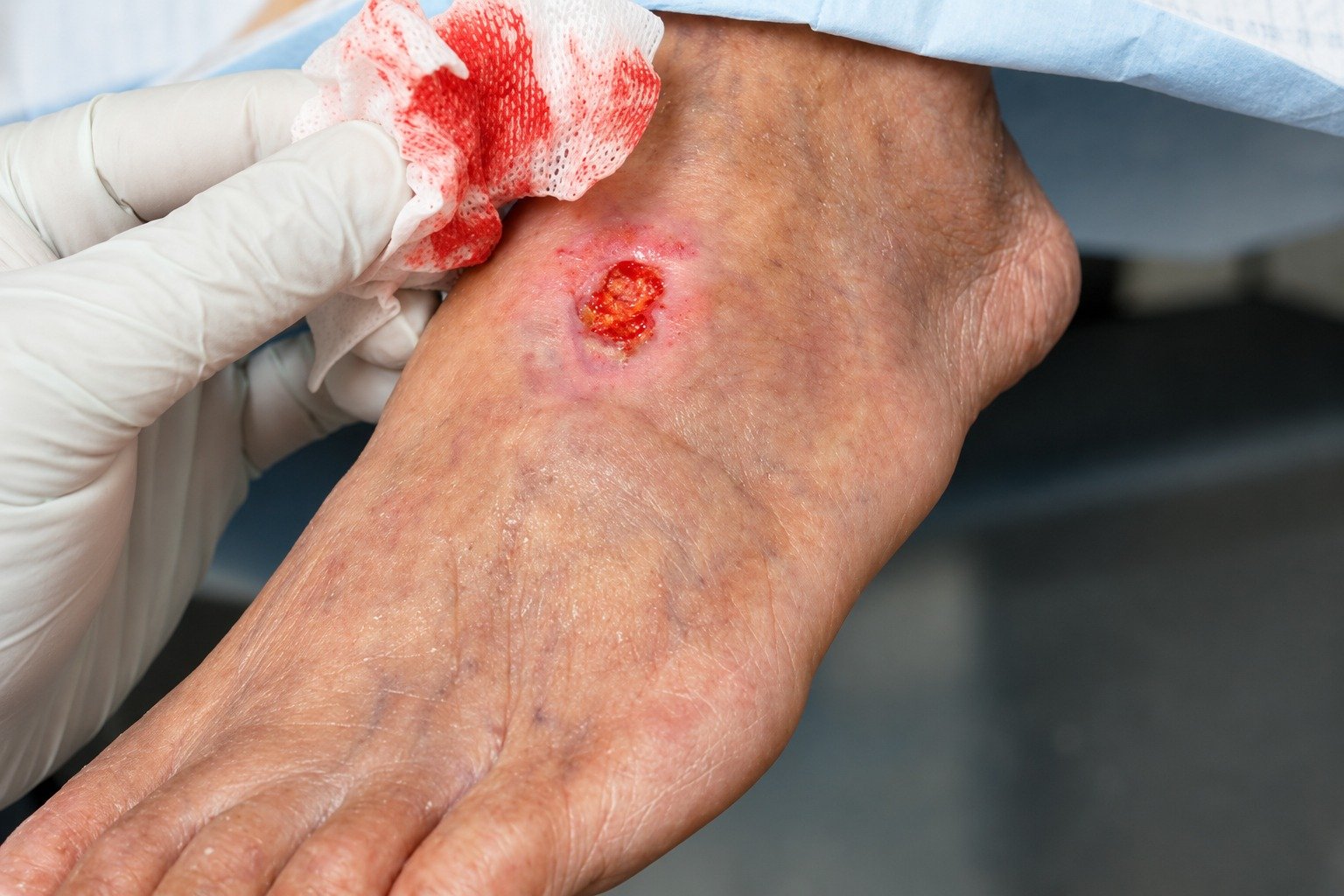
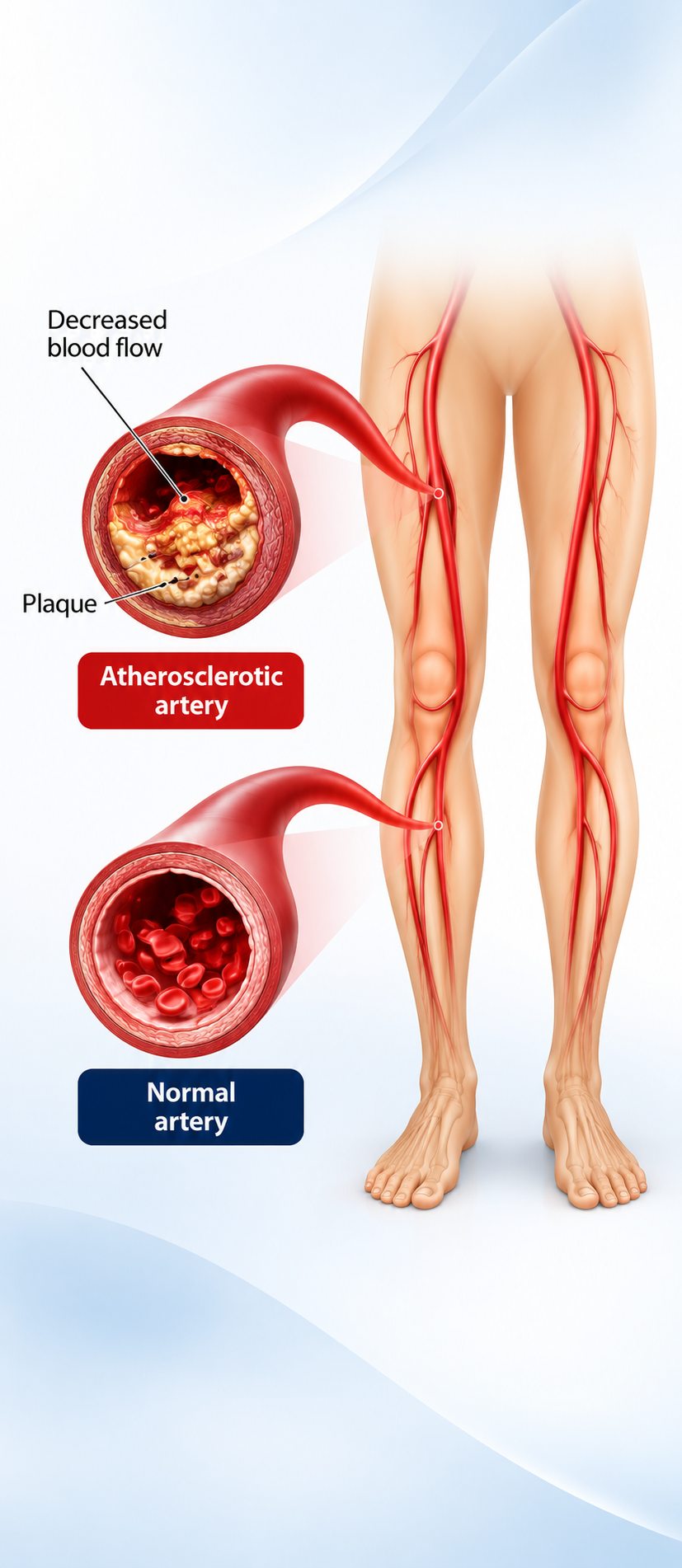
Peripheral Artery Disease (PAD) is the narrowing of arteries supplying the legs, leading to reduced blood flow. It ranges from mild claudication (pain when walking) to chronic limb-threatening ischemia (rest pain, ulcers, gangrene). PAD is also a marker of systemic atherosclerosis and cardiovascular risk.
Atherosclerosis is the main cause of PAD. Risk factors include smoking, diabetes, high cholesterol, hypertension, age and family history. Early diagnosis and treatment are essential to prevent progression and serious complications.
Ankle-brachial index (ABI) is a simple first test. Duplex ultrasound, CT or MR angiography and invasive angiography are used for anatomic detail if intervention is considered. Functional testing and exercise ABI help quantify limitation.
Simple test comparing blood pressure in the ankles and arms to help assess blood flow to the legs.
Imaging test to visualize blood flow and detect blockages within the arteries supplying the legs.
Detailed 3D images of blood vessels using contrast dye to identify the location and extent of arterial blockages.
 PAD Vascular Assessment
Magnetic resonance imaging of blood vessels to provide detailed information about arterial blood flow and anatomy.
Invasive test using dye and X-rays to view the arteries and define blockages when detailed vascular assessment is needed.
Check cholesterol, triglycerides and diabetes markers that may contribute to peripheral artery disease and cardiovascular risk.
Treatment is selected based on the severity of symptoms, the location and extent of arterial blockages, overall health and diagnostic findings. Options range from lifestyle measures and medicines to minimally invasive procedures and bypass surgery when required.

Exercise, smoking cessation, and a healthy diet to improve circulation and support overall vascular health.

Blood thinners, cholesterol drugs, and blood pressure medications may be used to manage cardiovascular risk factors and support PAD care.
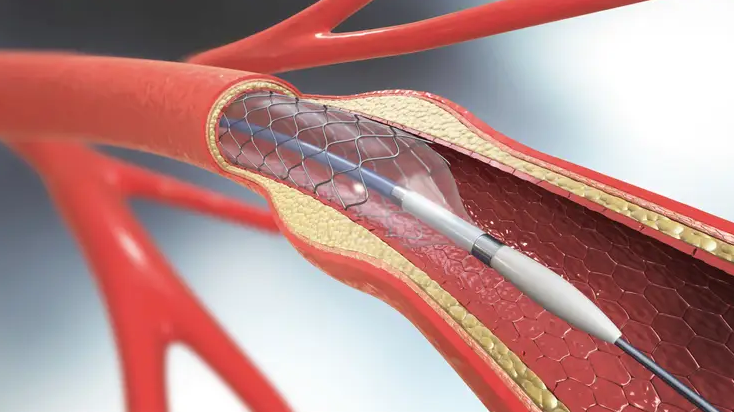
A minimally invasive procedure to open blocked arteries with a balloon. The balloon is guided to the narrowed area and inflated to help improve blood flow through the artery.
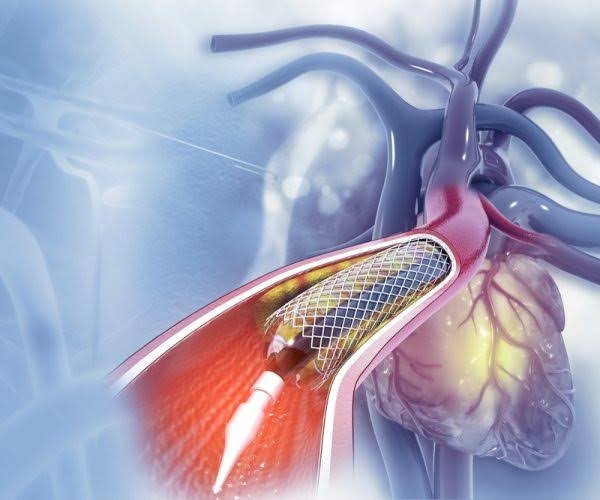
Placement of a small mesh tube to help keep a treated artery open. A stent can provide structural support after an angioplasty procedure when it is considered appropriate.

A surgical procedure that creates a detour around a blocked artery using a graft. It may be considered when significant arterial blockage requires a surgical route to restore circulation.
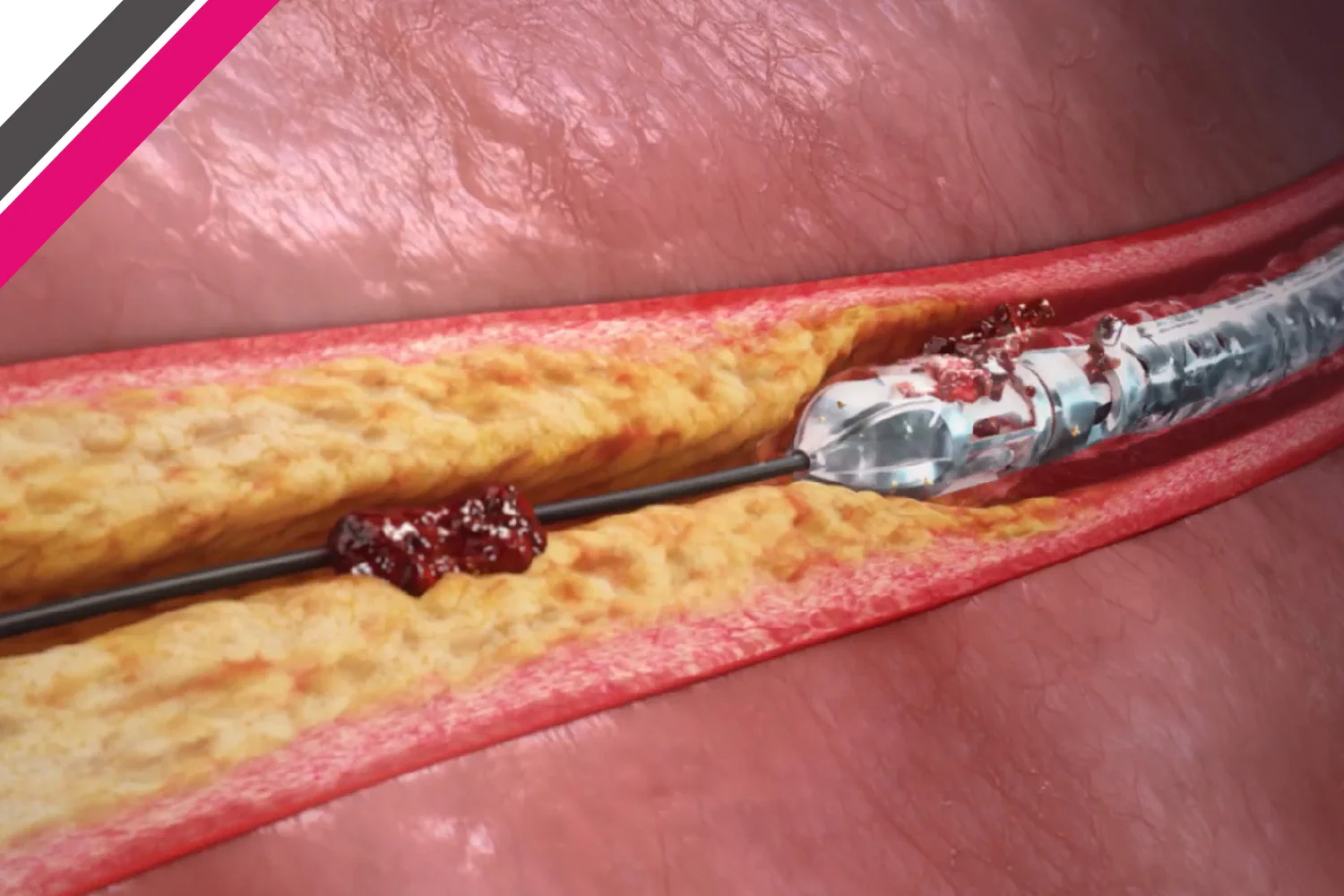
A procedure used to remove plaque from the artery wall. A specialized device is used to treat selected arterial blockages and help improve the channel available for blood flow.