Home / Service / Carotid Artery Disease
Carotid Artery Disease

Understanding
Carotid Artery Disease

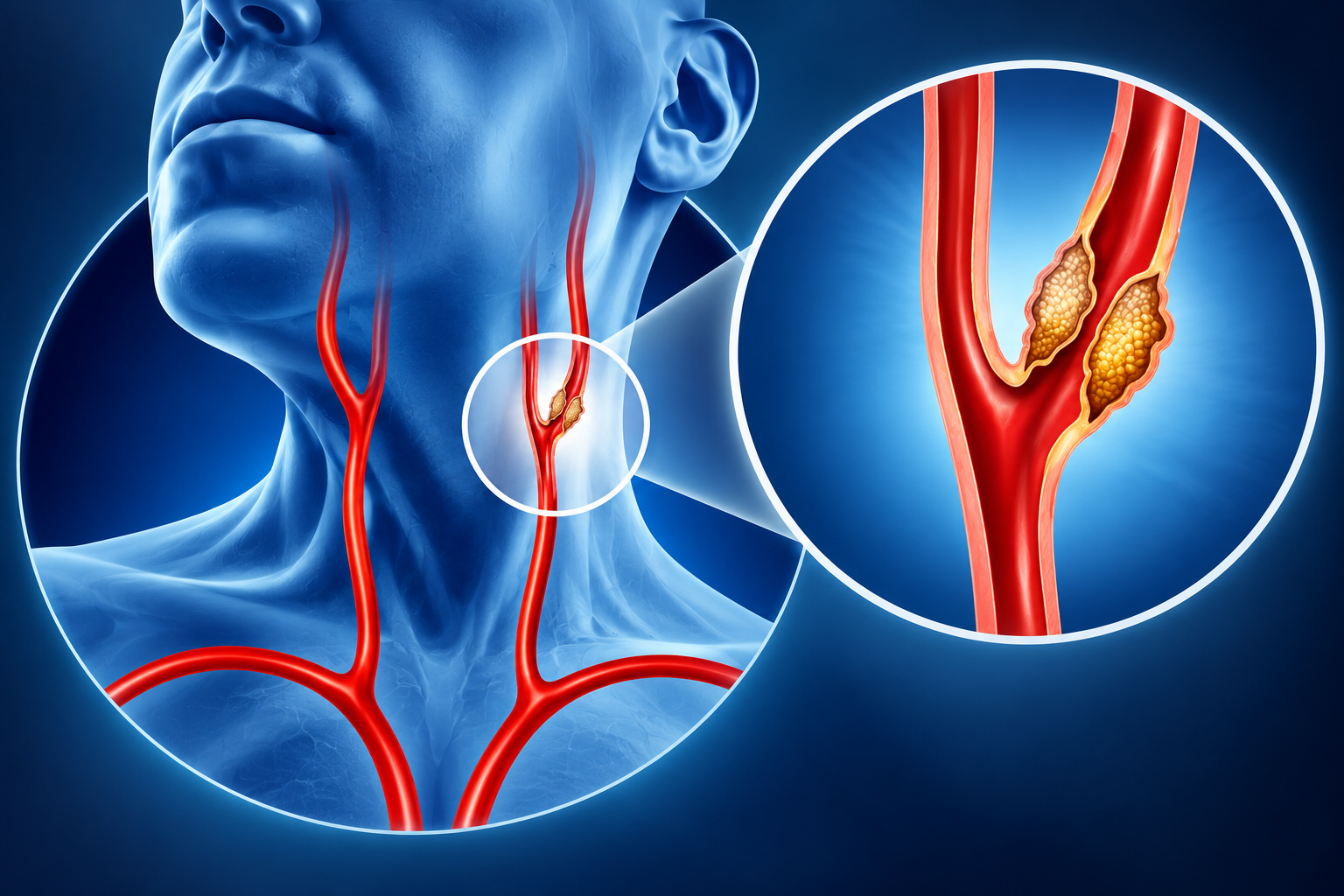
Narrowing of the carotid arteries reduces blood flow to the brain and can result in strokes or transient ischemic attacks (TIAs). Early diagnosis is critical for preventing permanent brain injury.

Book An Appointment →
Carotid Artery Disease

Understanding Carotid Artery Disease

Narrowing of the carotid arteries reduces blood flow to the brain and can result in strokes or transient ischemic attacks (TIAs). Early diagnosis is critical for preventing permanent brain injury.

Our vascular specialists offer advanced surgical and endovascular options to restore healthy blood flow, reduce stroke risk, and safeguard your neurological function.

Common Symptoms

Symptoms of Carotid Artery Disease

Recognizing the warning signs early can help reduce the risk of stroke and serious neurological complications.

01

Transient Ischemic Attacks (TIAs)

Mini-strokes with sudden weakness, numbness, or slurred speech.
02

Sudden Vision Problems

Temporary blindness or blurred vision in one eye.

03

Dizziness or Loss of Balance

Unexplained unsteadiness or fainting.

04

Sudden Weakness

Weakness or numbness on one side of the body.

05

Difficulty Speaking

Slurred speech or trouble finding words.

06

Headache

Sudden severe headache with other neurological symptoms.

Causes & Risk Factors

What Can Lead to
Carotid Artery Disease?

Carotid artery disease can develop when plaque builds up inside the carotid arteries, causing them to narrow and reducing blood flow to the brain. Several conditions and risk factors can increase the likelihood of developing carotid artery disease.

Atherosclerosis

Plaque buildup inside the carotid arteries narrows the vessels and can restrict blood flow to the brain.

High Blood Pressure

Long-term high blood pressure can damage arterial walls and contribute to the development of carotid artery disease.

High Cholesterol

Elevated cholesterol levels can increase fatty deposits in the arteries and contribute to plaque formation.

Diabetes

Diabetes can contribute to vascular damage and increase the risk of plaque buildup and narrowing of the carotid arteries.

Smoking

Smoking damages blood vessels and can increase the risk of carotid artery narrowing and stroke.

Age & Family History

The risk of carotid artery disease increases with age and may be higher in people with a family history of vascular disease.

Accurate Diagnosis

Essential for
Stroke Prevention.

Diagnosis begins with a physical examination, listening for abnormal sounds (bruits) in the neck arteries. However, imaging tests are required for confirmation and treatment planning. Carotid ultrasound, CT angiography, and MRI provide detailed images of the arteries to assess narrowing and determine the best intervention approach.

Vascular Imaging

Carotid Ultrasound

Non-invasive imaging to detect narrowing or blockages within the carotid arteries and assess blood flow.

Advanced Imaging

CT Angiography

Detailed imaging of the carotid arteries using contrast dye to identify narrowing, blockages and vascular anatomy.

Carotid artery disease diagnosis and vascular imaging Carotid Diagnostic Assessment
High-Resolution Imaging

MRI / MRA

High-resolution imaging that can provide detailed views of the carotid arteries and blood flow without using conventional X-ray imaging.

Detailed Vessel Mapping

Cerebral Angiography

An invasive imaging test that provides detailed vessel mapping when more precise evaluation of the arteries is required for treatment planning.

Advanced Treatment Options

Comprehensive Treatment for Carotid Artery Disease

Treatment is tailored to the degree of carotid artery narrowing, symptoms, stroke risk and overall health. Management may include medical therapy, lifestyle measures, carotid endarterectomy or carotid artery stenting depending on the individual clinical assessment.

Carotid Endarterectomy for Carotid Artery Disease
01
Surgical Treatment

Carotid
Endarterectomy

Open surgery to remove plaque buildup directly from the carotid artery and improve blood flow to the brain.

Key Benefits
  • Removes plaque directly
  • Restores carotid blood flow
  • Helps reduce stroke risk
Carotid Artery Stenting for Carotid Artery Disease
02
Minimally Invasive Treatment

Carotid Artery
Stenting

A minimally invasive procedure in which a stent is placed inside the carotid artery to help keep the narrowed vessel open.

Key Benefits
  • Less invasive approach
  • Helps maintain artery opening
  • Option for selected patients
Medical Management for Carotid Artery Disease
03
Medical Management

Medical
Management

Use of medications and lifestyle changes for mild to moderate narrowing, with management focused on controlling important vascular risk factors.

Key Benefits
  • Controls risk factors
  • Slows disease progression
  • Non-surgical treatment option
Antiplatelet Therapy for Carotid Artery Disease
04
Stroke Prevention

Antiplatelet
Therapy

Medications such as aspirin or clopidogrel may be used to help prevent clot formation and reduce the risk of stroke as part of an individualized treatment plan.

Key Benefits
  • Helps reduce clot-related risk
  • Supports stroke prevention
  • May complement other treatments
Book Your Appointment

Let's Talk About Your Stroke Risk

If you are experiencing sudden weakness, numbness, speech difficulty, vision problems, dizziness or other concerning neurological symptoms, schedule a vascular evaluation to assess your condition and determine the appropriate treatment approach.

Specialist Consultation

Discuss your symptoms, concerns and vascular health during a focused consultation.

Individual Assessment

Your symptoms and clinical findings can be assessed to understand your carotid artery condition.

Treatment Discussion

Appropriate treatment options can be discussed based on your examination and diagnostic findings.

Request a Consultation

Fill in your details and our team will get in touch with you regarding your appointment.

Your information is submitted securely for appointment coordination.
Scroll to Top