Home / Service / Aortic Aneurysm Surgery
Aortic Aneurysm Surgery

Understanding
Aortic Aneurysm

An aortic aneurysm can remain silent for years until it enlarges or ruptures, causing life-threatening bleeding. Early detection through screening is crucial.

Book An Appointment →
Aortic Aneurysm Surgery

Understanding Aortic Aneurysm

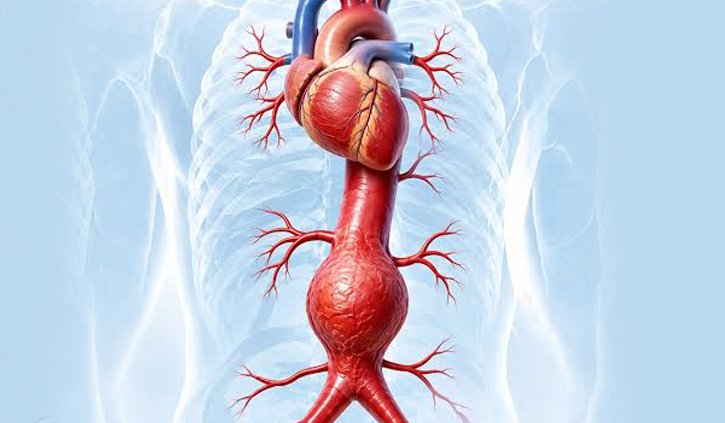
An aortic aneurysm occurs when a weakened area of the aorta gradually enlarges. It may remain unnoticed for years, but as the aneurysm grows, the risk of rupture and life-threatening internal bleeding increases. Early detection and appropriate monitoring are therefore essential.

Treatment is considered based on the aneurysm’s size, location, rate of growth, symptoms, and overall patient health. Depending on the individual condition, management may include careful surveillance, medical treatment, open surgical repair, or minimally invasive endovascular procedures.

Common Symptoms

Symptoms of Aortic Aneurysm

Recognizing warning signs early can support timely evaluation and help prevent serious complications.

01

Pulsating Sensation

A noticeable or unusual pulsing sensation in the abdomen may occur with an abdominal aortic aneurysm.
02

Abdominal Pain

Persistent or sudden severe abdominal discomfort may require prompt medical evaluation.

03

Back Pain

Unexplained or persistent lower or middle back pain may occur with an abdominal or thoracic aneurysm.

04

Difficulty Breathing

Shortness of breath or breathing discomfort may occur when a thoracic aneurysm affects structures in the chest.

05

Hoarseness

Pressure on structures near the vocal cords may contribute to voice changes or persistent hoarseness.

06

Leg Pain or Numbness

Reduced blood flow or related complications may cause discomfort, weakness, or numbness affecting the legs.

Causes & Risk Factors

What Can Lead to
An Aortic Aneurysm?

Several conditions and risk factors can weaken the aortic wall and contribute to aneurysm formation. Understanding these factors can help identify individuals who may benefit from closer monitoring and timely evaluation.

Atherosclerosis

Plaque buildup weakens the aortic wall and can contribute to aneurysm formation.

High Blood Pressure

Chronic hypertension places ongoing strain on the aortic wall and can increase the risk of aneurysm formation.

Genetic Factors

Marfan syndrome, Ehlers-Danlos syndrome and a family history of aneurysms can increase risk.

Age & Gender

Aortic aneurysms are more common in men over 60 years of age.

Smoking

Smoking is a major risk factor associated with aortic aneurysm formation and progression.

Trauma

Severe chest or abdominal injury can damage the aorta and contribute to aneurysm formation.

Accurate Diagnosis

Advanced Imaging for
Precise Aortic Assessment.

Most aortic aneurysms are detected incidentally during imaging for other conditions. Regular screening is recommended for high-risk groups, particularly men over 65 with a history of smoking.

First-Line Screening

Ultrasound

A first-line test used to detect abdominal aortic aneurysms and assess the aorta through non-invasive imaging.

Detailed Vascular Imaging

CT Angiography

Provides detailed information about aneurysm size, shape and involvement of branch vessels, helping guide surgical or endovascular repair planning.
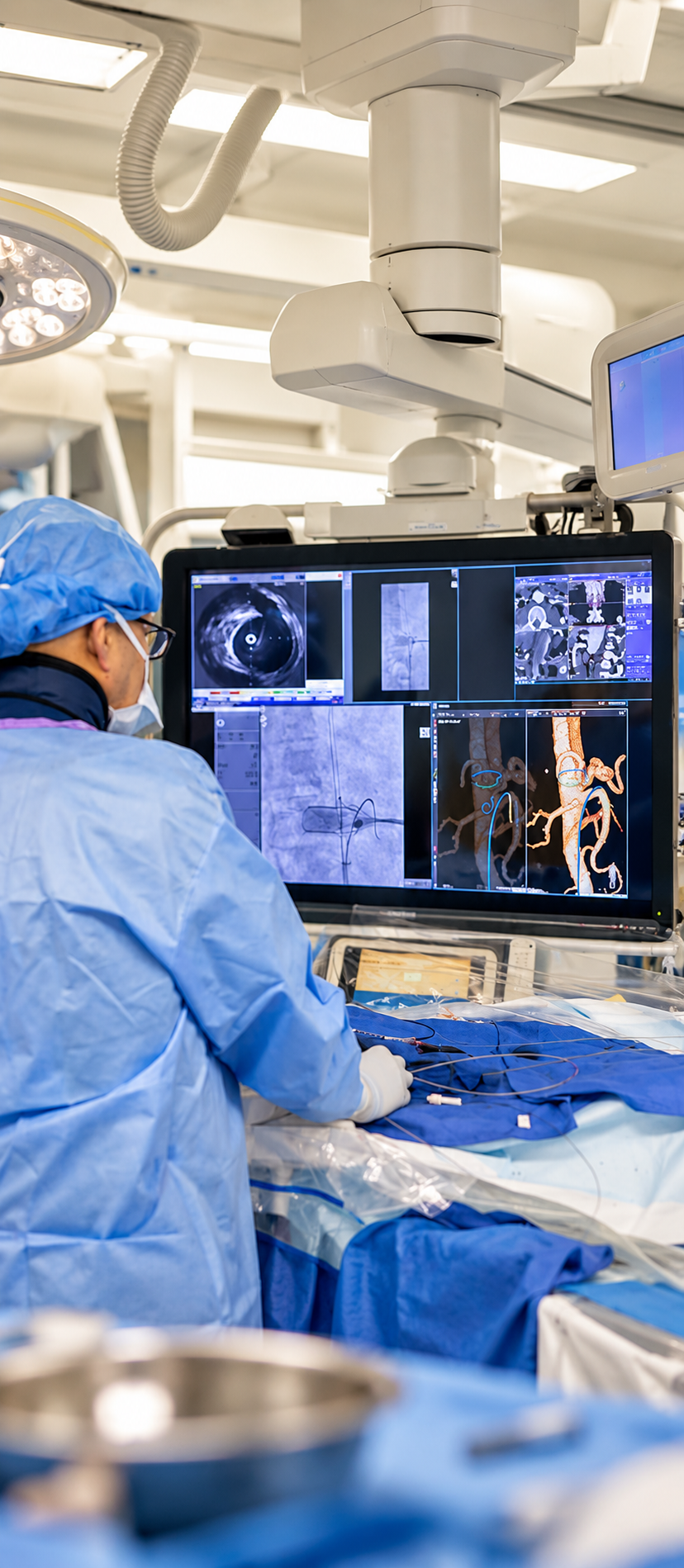
Aortic aneurysm diagnosis and vascular imaging Aortic Diagnostic Assessment
Non-Invasive Imaging

MRI

Provides a non-invasive imaging alternative for evaluating the aorta and surrounding vascular structures.

Clinical Assessment

Physical Examination

A clinical examination may help identify a pulsating mass in the abdomen and support further evaluation when an aneurysm is suspected.

Advanced Treatment Options

Comprehensive Treatment for Aortic Aneurysm

Surgical and minimally invasive methods tailored to you, based on the aneurysm location, size, anatomy and overall clinical condition.
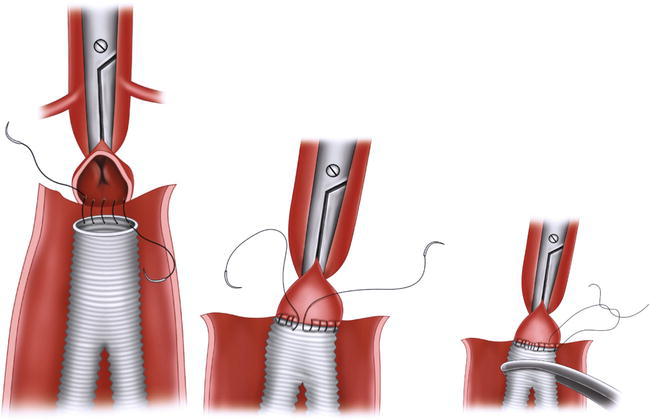
Open Surgical Repair for Aortic Aneurysm
01
Surgical Repair

Open Surgical
Repair

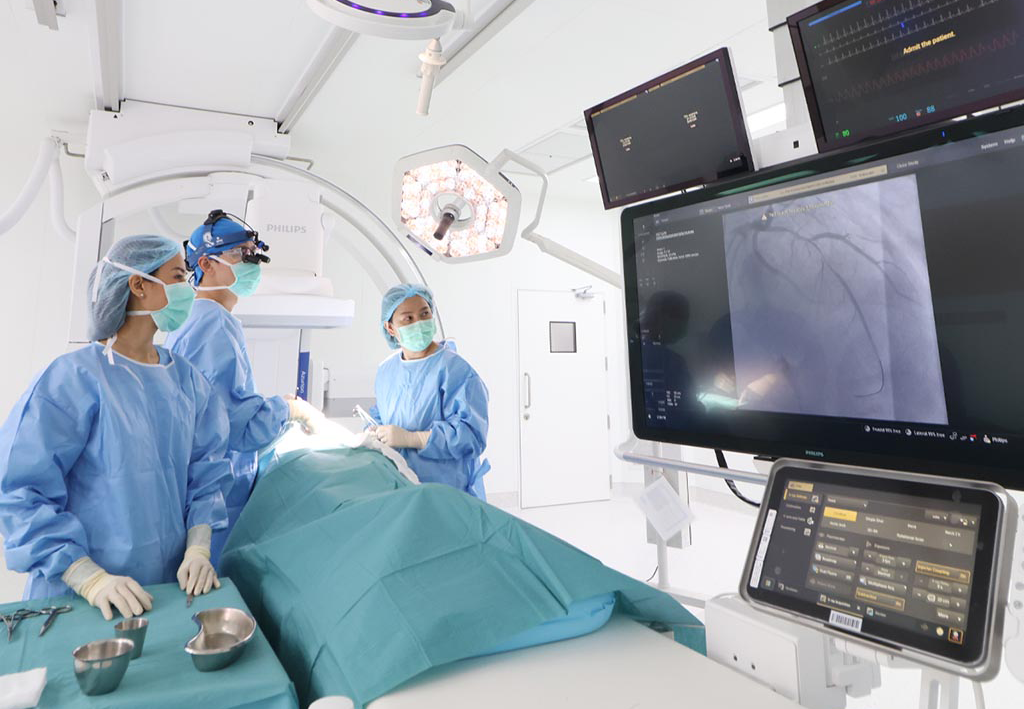
Open surgical repair involves replacing the weakened section of the aorta with a synthetic graft through an abdominal or chest incision. It provides a direct and durable repair of the affected aortic segment and may be used for complex aneurysms where an open approach is considered appropriate.
Key Benefits
  • Durable long-term results
  • Effective for complex aneurysms
  • Widely practiced procedure
Endovascular Aneurysm Repair EVAR
02
Minimally Invasive Repair

Endovascular Aneurysm
Repair (EVAR)

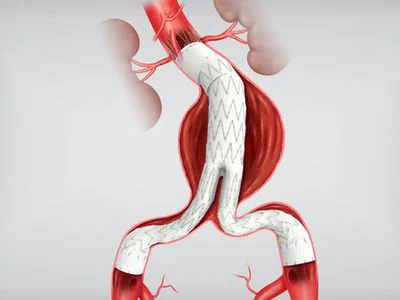
EVAR is a minimally invasive procedure in which a stent-graft is inserted through the groin arteries and positioned inside the aorta to reinforce the weakened section. The graft creates a protected channel for blood flow and reduces pressure on the aneurysm wall.
Key Benefits
  • Smaller incisions
  • Faster recovery
  • Lower complication risk
Thoracic Endovascular Aortic Repair TEVAR
03
Thoracic Aortic Repair

Thoracic Endovascular
Aortic Repair (TEVAR)

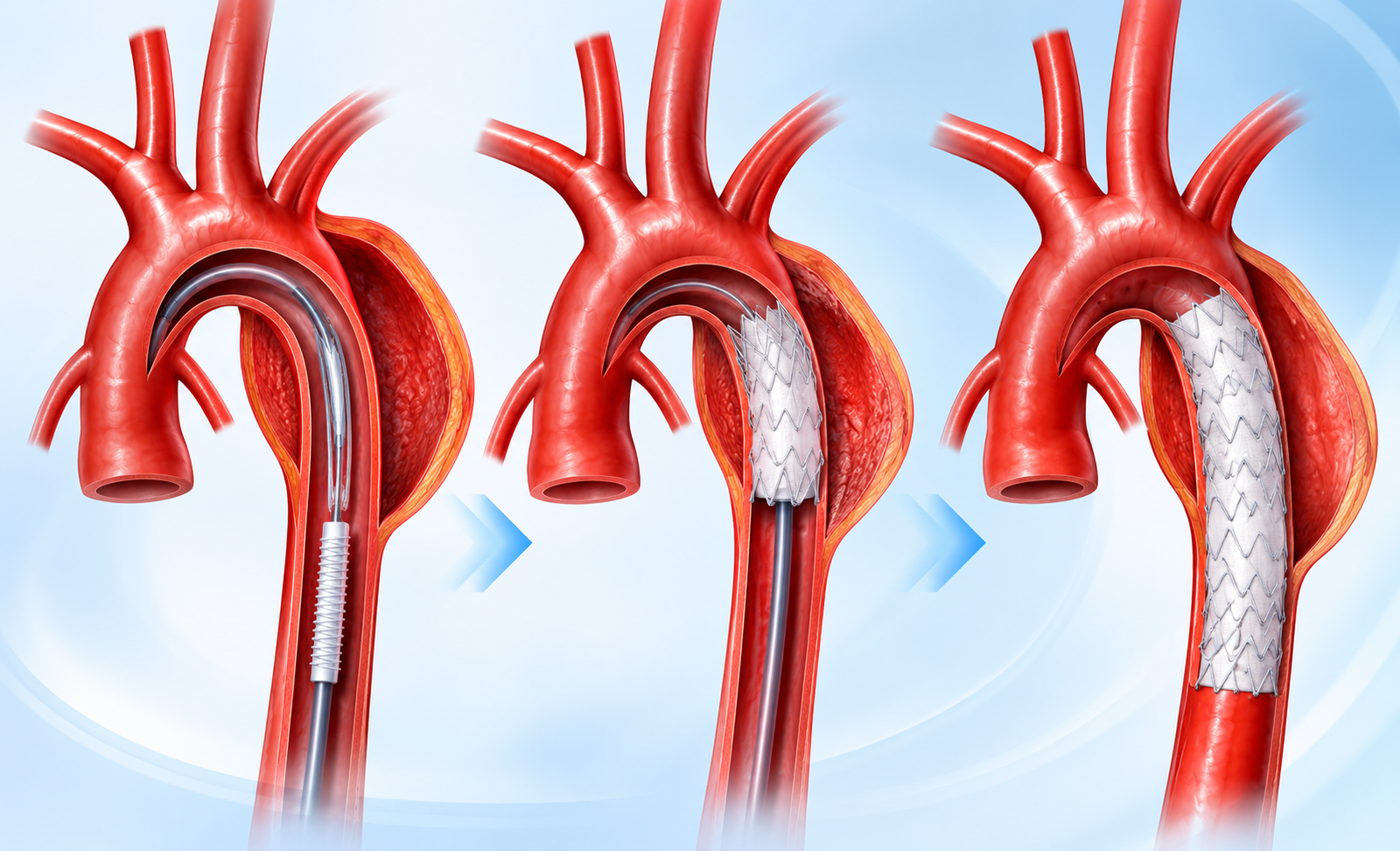
TEVAR is an endovascular stent-graft procedure used for suitable thoracic aortic aneurysms. The stent-graft is guided through the blood vessels and positioned within the thoracic aorta to reinforce the weakened area and redirect blood flow through the graft.
Key Benefits
  • Reduced hospital stay
  • Less pain
  • Rapid return to activity
Hybrid Procedures for Aortic Aneurysm
04
Complex Aneurysm Management

Hybrid
Procedures

Hybrid procedures combine open and endovascular techniques for selected complex aneurysms. The approach is planned according to the location of the aneurysm, its relationship with branch vessels and the patient's overall clinical condition, allowing different techniques to be used as part of one treatment strategy.

Key Benefits
  • Customized solution
  • Effective in high-risk patients
  • Addresses complex anatomy
Medical Management for Aortic Aneurysm
05
Conservative Management

Medical
Management

Medical management is used for selected small aneurysms that do not currently require repair. It focuses on controlling blood pressure and modifying relevant lifestyle risks, together with regular clinical review and imaging to monitor aneurysm size and determine whether further treatment becomes necessary.

Key Benefits
  • Slows progression
  • Delays need for surgery
  • Supports long-term monitoring
Book Your Appointment

Let's Talk About Your Aortic Health

If you have been diagnosed with an aortic aneurysm or have concerns about symptoms or risk factors, schedule a vascular consultation for detailed assessment and discussion of the appropriate treatment approach.

Specialist Consultation

Discuss your diagnosis, symptoms and concerns during a focused vascular consultation.

Individual Assessment

Your clinical findings and available imaging can be reviewed to understand the aneurysm and its characteristics.

Treatment Discussion

Suitable surgical, endovascular or medical management options can be discussed based on your assessment.

Request a Consultation

Fill in your details and our team will get in touch with you regarding your appointment.

Your information is submitted for appointment coordination.
Scroll to Top