01
Skin Discoloration
Skin may appear pale, blue, purple, black, bronze, or red depending on the type of gangrene.
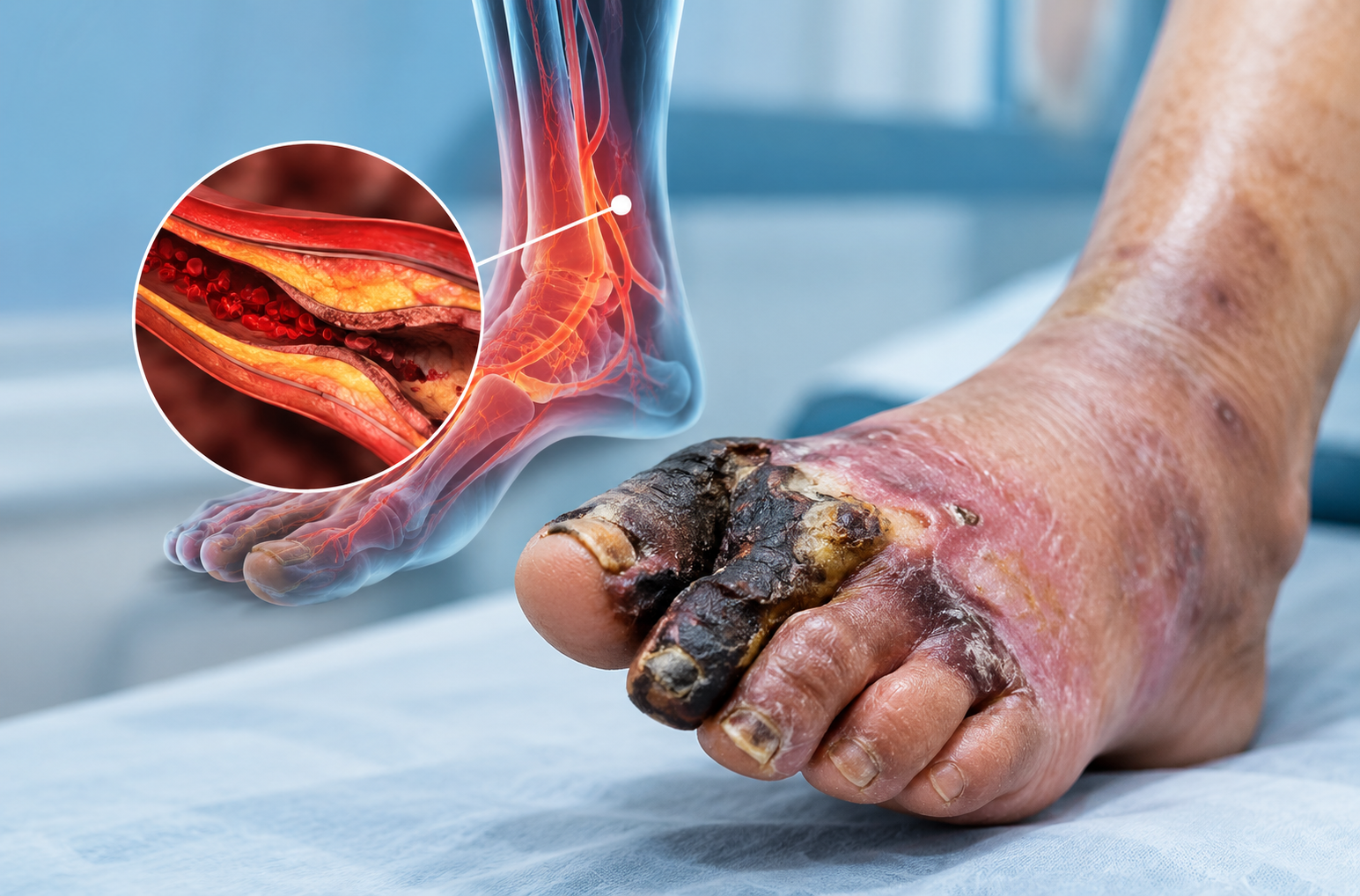
Gangrene and Critical Limb Ischemia (CLI) represent the most severe spectrum of limb ischemia and commonly result from advanced Peripheral Artery Disease (PAD) and/or infection. These conditions threaten limb viability and require urgent, multidisciplinary assessment for revascularization, infection control, and wound management.
Gangrene occurs when body tissue dies due to a lack of blood flow or a serious bacterial infection. It most commonly affects the extremities but can also occur in muscles and internal organs. Prompt treatment is essential to prevent life-threatening complications and preserve limb function.
Diagnosis begins with a clinical examination plus objective hemodynamic testing, vascular imaging and an infection workup. WIfI staging can help assess limb threat and guide revascularization decisions.
Visual inspection of the affected area, checking for discoloration, odor, tissue damage, temperature changes and other signs of limb-threatening disease.
Blood tests, including a complete blood count, can help assess infection and provide information about overall health before treatment.
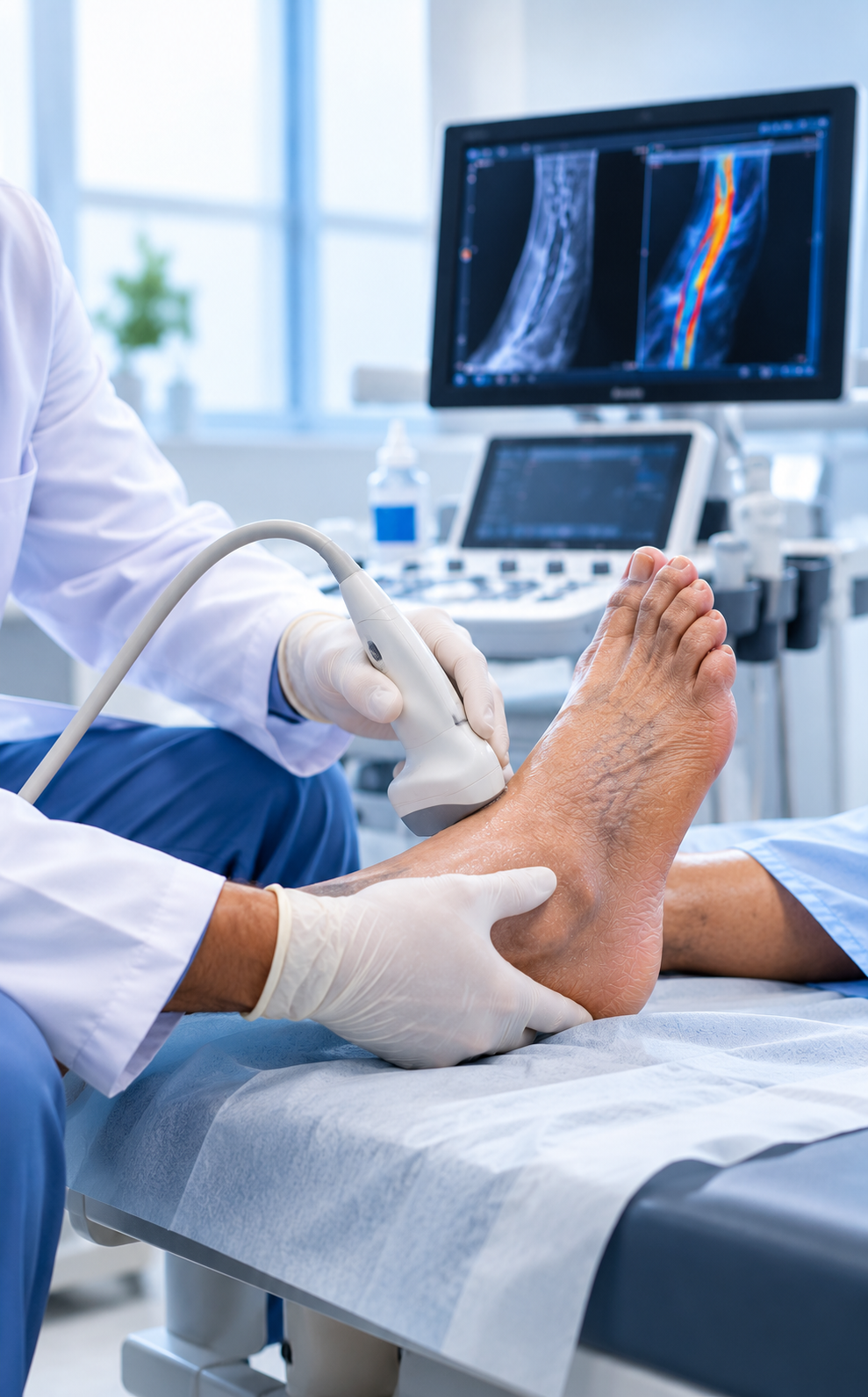 Gangrene Diagnostic Assessment
X-rays, CT scans or MRI may be used to evaluate tissue damage, while vascular imaging helps define the blood vessels and anatomy involved.
A specialized X-ray using contrast dye to visualize blood flow through the arteries and help define areas of reduced or blocked circulation.
Treatment is tailored to the severity of tissue damage, blood-flow impairment, infection and overall limb condition. Management may combine infection control, removal of non-viable tissue, restoration of circulation and wound reconstruction when appropriate.
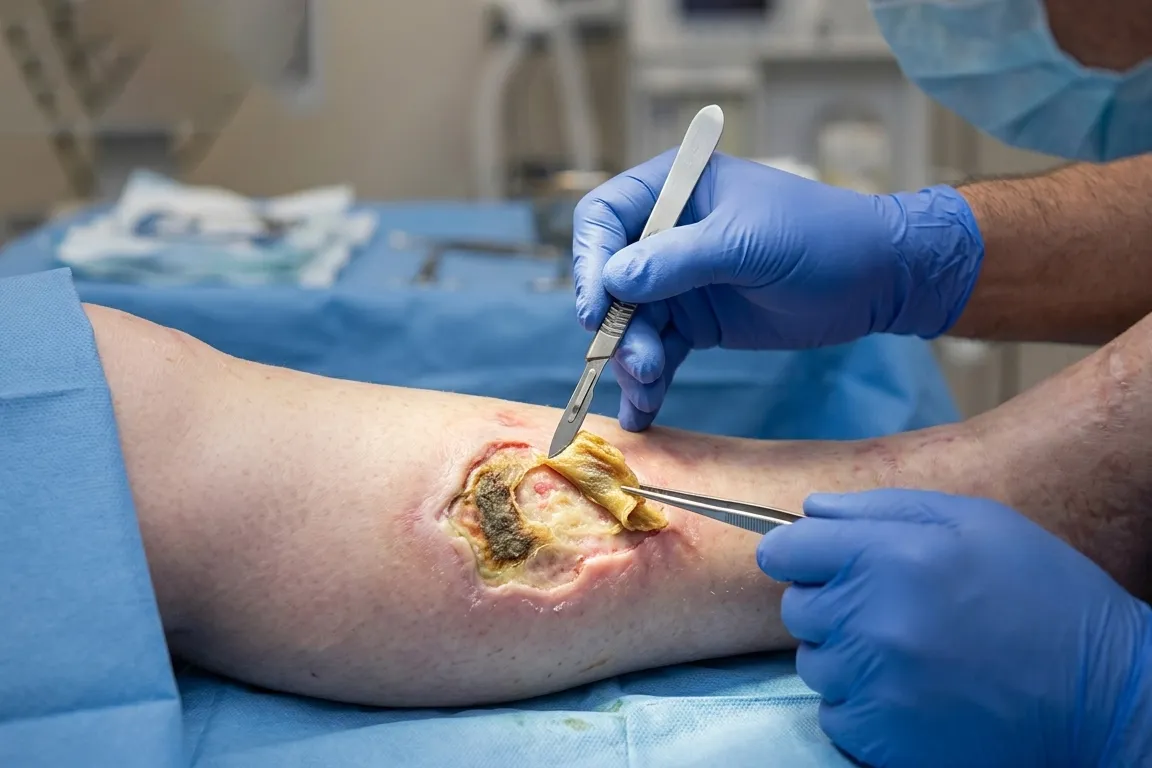
Removal of dead tissue to prevent spread of infection and promote healing. Debridement focuses on removing non-viable tissue while preserving healthy tissue wherever possible.
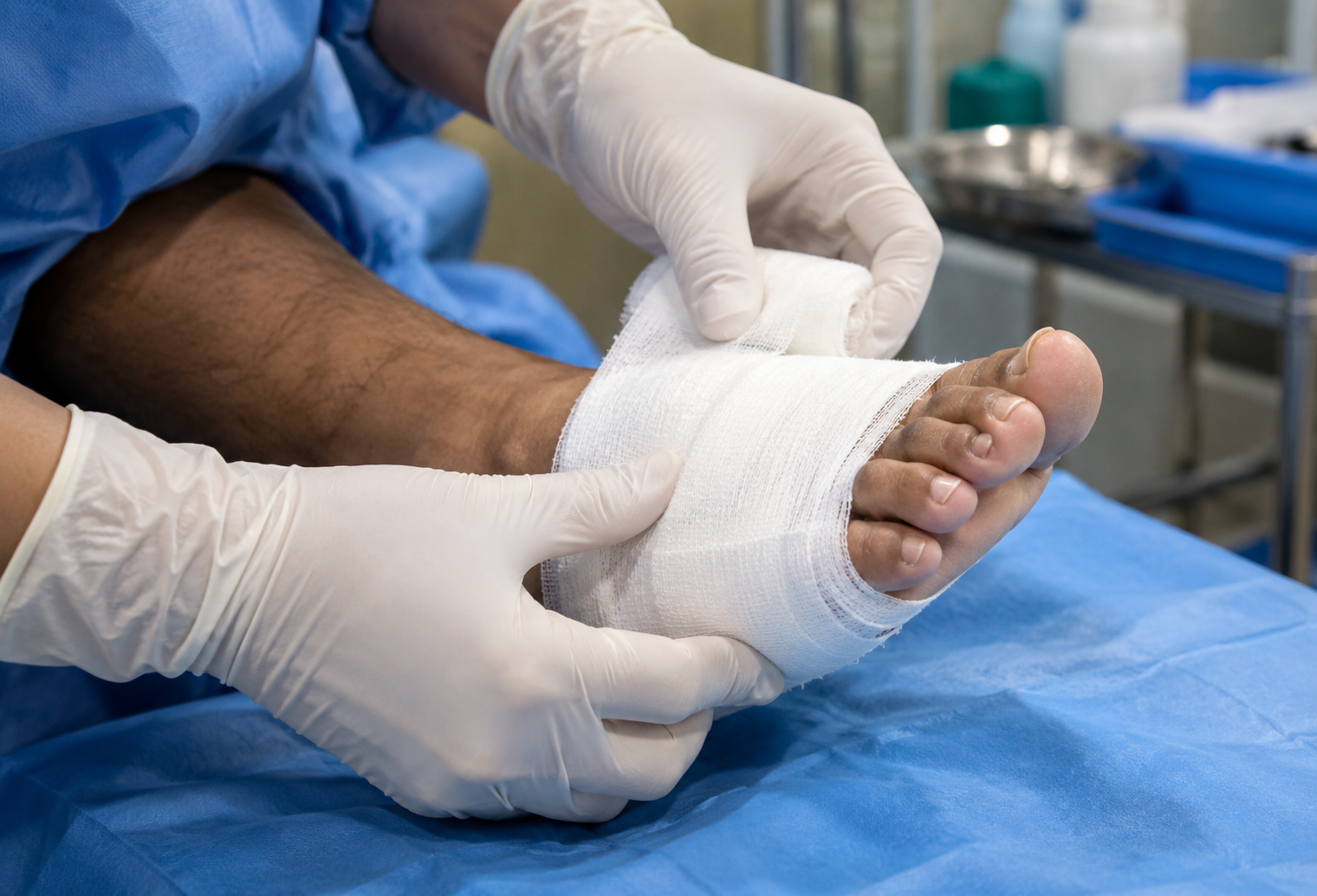
Intravenous antibiotics to control and eliminate bacterial infection. Antibiotic treatment may be used alongside wound management and surgical treatment when infection is present.
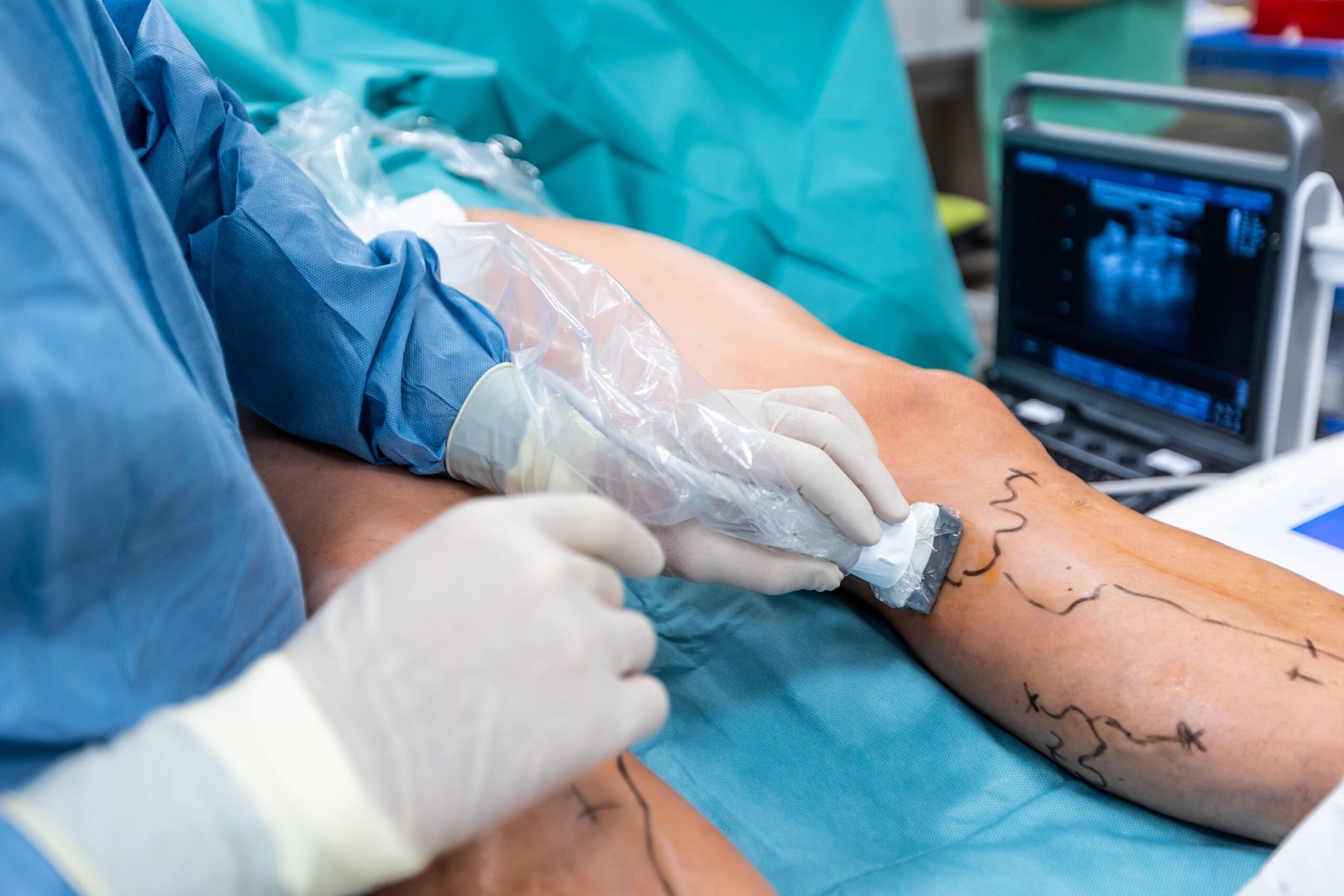
Bypass surgery or angioplasty to restore blood flow to affected areas. Revascularization may help improve circulation when inadequate arterial blood flow contributes to limb-threatening ischemia.
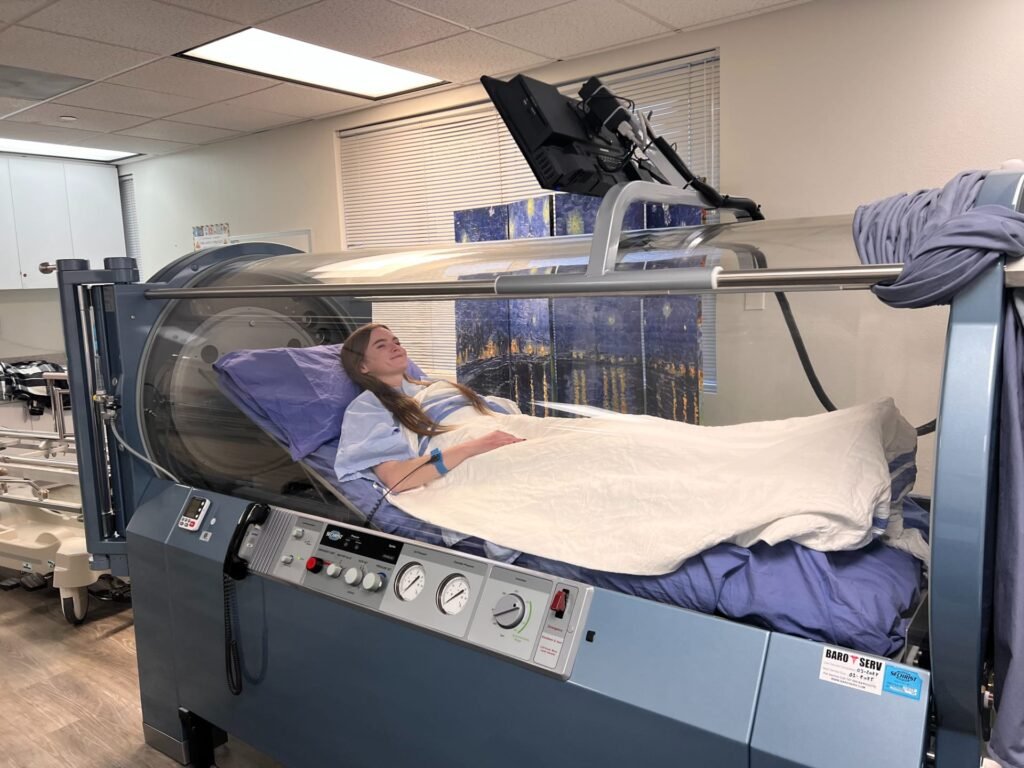
Breathing pure oxygen in a pressurized room to promote healing and support infection control. Hyperbaric oxygen may be considered in selected cases as part of a broader treatment plan.
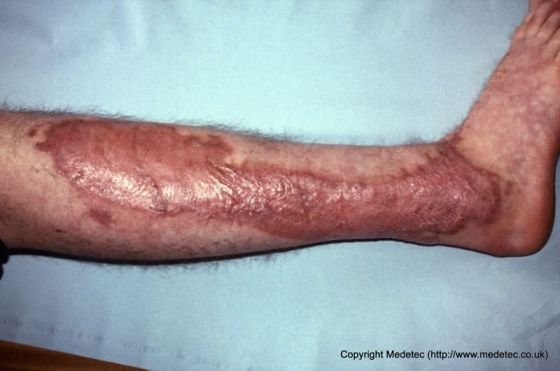
Transplanting healthy skin to cover areas where gangrene was removed. Skin grafting may help provide coverage for suitable wounds after the affected tissue has been treated and the wound bed is ready.
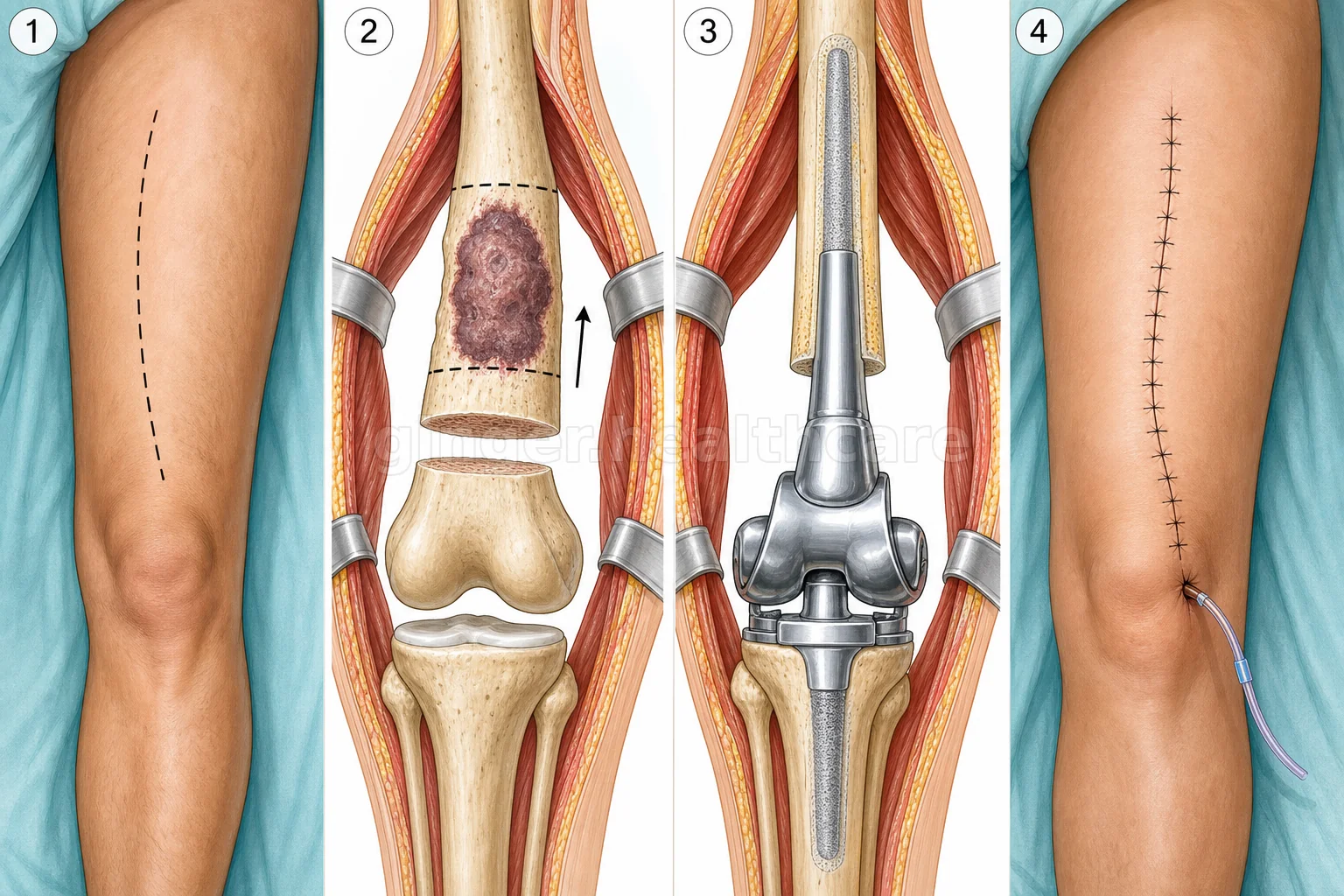
Surgical removal of severely affected tissue or a limb segment when necessary to control extensive tissue death or infection and protect the patient's overall health. The level of amputation is determined carefully according to the extent of disease and tissue viability.