Home / Service / Diabetic Foot
Diabetic Foot Care

Understanding
Diabetic Foot

Diabetic foot problems arise from a combination of nerve damage and poor circulation. This leads to loss of sensation, slow healing, and higher chances of infection.

Book An Appointment →
Diabetic Foot Care
Diabetic Foot Care

Understanding
Diabetic Foot Complications

Diabetic foot problems arise from a combination of nerve damage and poor circulation. This leads to loss of sensation, slow healing, and higher chances of infection.

With early diagnosis and multidisciplinary care, most complications can be prevented. Our approach focuses on wound care, vascular health, and patient education to preserve limb function.

Common Symptoms – Diabetic Foot

Foot Health

Common Symptoms

Recognize early warning signs to help protect your feet and support timely evaluation when symptoms appear.

01

Numbness or Tingling

Reduced sensation, tingling, or burning feelings that may occur due to nerve damage.

02

Foot Ulcers

Open sores, cuts, or wounds that heal slowly or fail to heal properly.

03

Skin Changes

Dry, cracked, peeling skin or unusual dark, pale, or patchy discoloration.

04

Foot Deformities

Changes in foot shape, including hammertoes, prominent pressure points, or collapsed arches.

05

Pain or Difficulty Walking

Foot discomfort, weakness, or pain that makes walking short distances difficult.

06

Swelling & Warmth

Swelling, redness, or increased warmth that may indicate inflammation, infection, or circulation problems.

Causes & Risk Factors

Why Diabetic Foot
Problems Develop

Diabetic foot problems can develop when nerve damage, reduced blood flow, elevated blood sugar, and repeated pressure or injury affect the feet. Several factors can increase the risk of wounds, ulcers, infection, and delayed healing.

Peripheral Neuropathy

Nerve damage reduces sensation, increasing the risk of unnoticed injuries, pressure points, and foot wounds.

Poor Circulation

Reduced blood supply can slow wound healing and increase the risk of infection and tissue damage.

High Blood Sugar

Persistent hyperglycemia can damage nerves and blood vessels, contributing to reduced sensation and impaired healing.

Foot Deformities

Bone or joint changes can create uneven pressure on the foot and contribute to calluses, pressure areas, and wounds.

Improper Footwear

Tight, poorly fitting, or unsuitable footwear can create repeated pressure and friction that may lead to sores.

Smoking

Smoking can worsen circulation and may delay healing, increasing the risk of complications in an already vulnerable foot.

Accurate Diagnosis Process

Assessing Your Foot Health
With Precision.

Accurate assessment helps identify nerve damage, circulation problems, wounds, infection and other factors affecting foot health. These findings guide an individualized treatment plan.

Clinical Assessment

Foot Examination

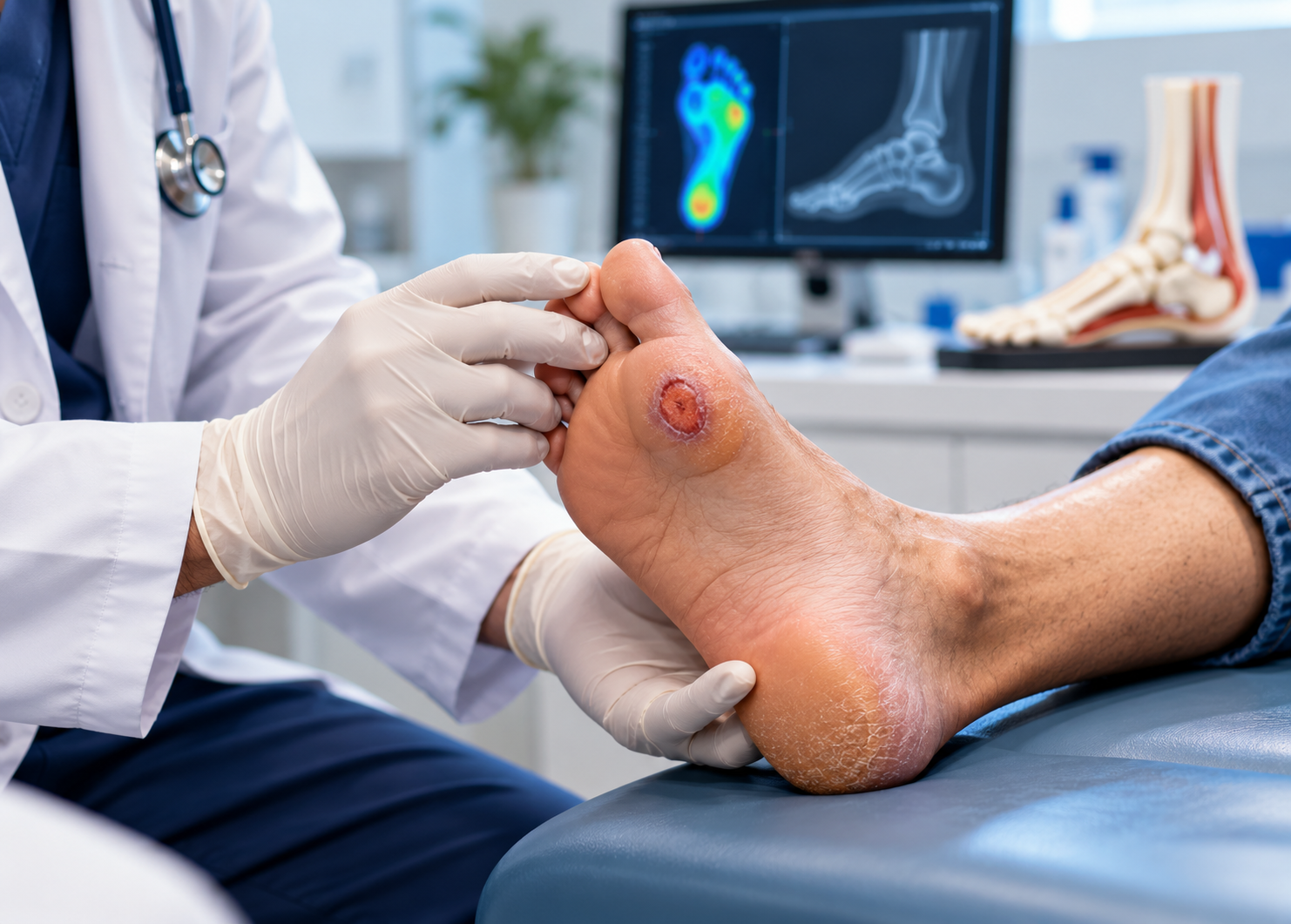
Inspection of the skin, sensation, pulses, foot shape, pressure areas and visible wounds helps identify potential problems early.

Nerve Function

Neurological Testing

Monofilament, tuning fork and reflex testing can help assess sensation and identify changes associated with peripheral neuropathy.

Circulation Assessment

Vascular Assessment

Pulse examination, ankle-brachial index and toe pressure measurements help assess blood supply to the foot.

Diabetic foot diagnosis and vascular assessment Diabetic Foot Assessment
Diagnostic Imaging

Imaging Tests

X-rays, MRI or ultrasound may be used when needed to assess bone, soft tissue, circulation or deeper complications.

Wound Assessment

Wound Classification

Ulcers are assessed for size, depth, tissue involvement and other clinical features to help determine severity and guide care.

Laboratory Assessment

Blood Tests

Blood tests can help assess glucose control, infection markers and other factors that may influence wound healing and recovery.

Advanced Treatment Options

Comprehensive Care for Diabetic Foot

Treatment is selected according to the condition of the wound, circulation, infection status, pressure on the foot, and overall diabetic control. A combination of wound care, pressure relief, infection management, vascular treatment, and prevention may be recommended based on individual needs.
Wound Debridement for diabetic foot care
01
Wound Management

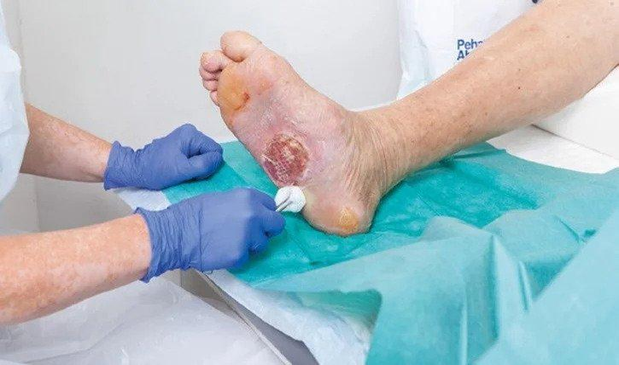
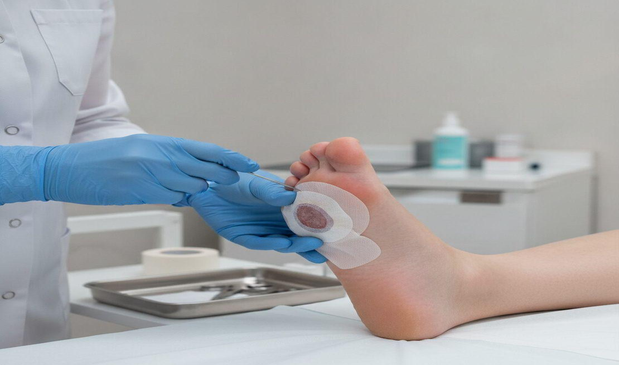
Wound Debridement

Careful removal of dead or infected tissue from a diabetic foot wound. Debridement can help expose healthier tissue and create a cleaner wound environment for ongoing care.
Key Benefits
  • Promotes healthy tissue growth
  • Reduces infection risk
  • Supports wound healing
Offloading and footwear for diabetic foot care
02
Pressure Relief

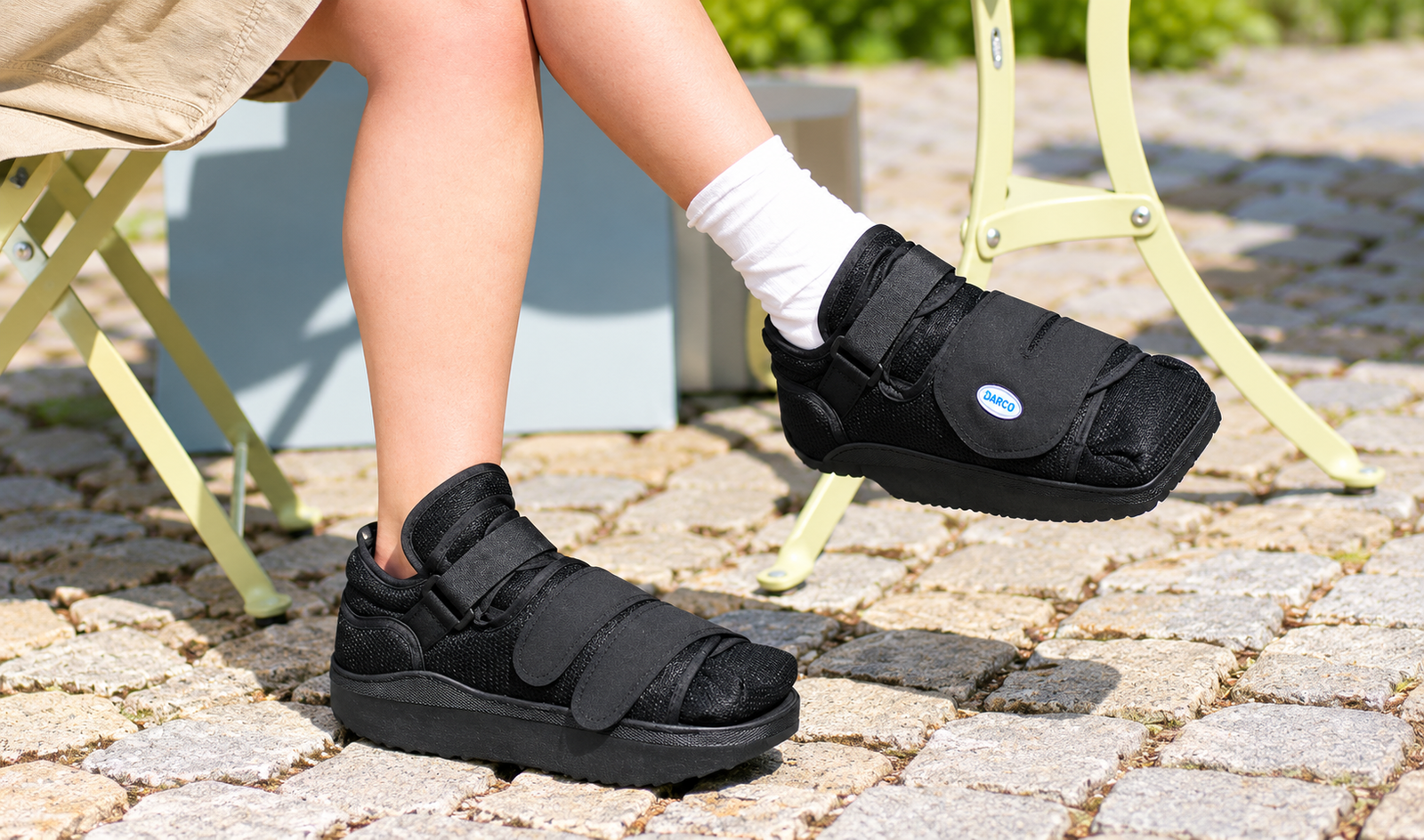
Offloading & Footwear

Custom shoes, casts, or protective boots can reduce pressure on ulcers and vulnerable areas of the foot. Offloading helps limit repeated pressure while the wound is being treated.
Key Benefits
  • Allows wounds to heal
  • Helps prevent recurrence
  • Reduces pressure on vulnerable areas
Infection control and wound treatment for diabetic foot
03
Infection Management

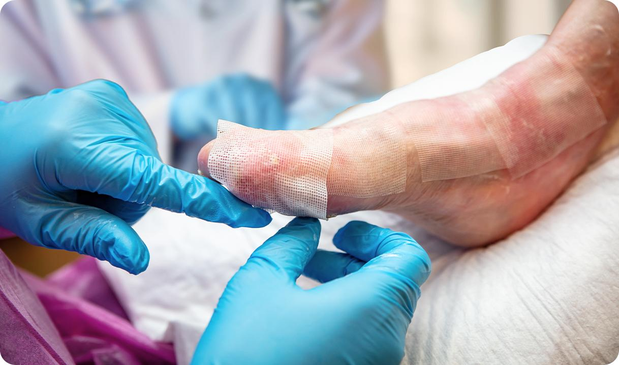
Infection Control

Targeted antibiotics and appropriate wound dressings may be used when infection is present. Treatment is guided by the clinical assessment and the severity of the infection.
Key Benefits
  • Helps control infection
  • Protects surrounding tissue
  • Supports wound recovery
Vascular procedures for diabetic foot circulation
04
Vascular Care

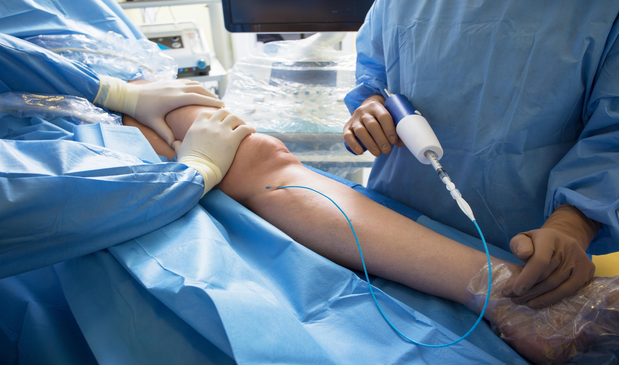
Vascular Procedures

Angioplasty, stenting, or bypass surgery may be considered when reduced blood flow is contributing to poor wound healing or tissue damage. The appropriate option depends on vascular assessment.
Key Benefits
  • Improves blood flow
  • Supports wound healing
  • Helps protect vulnerable tissue
Advanced wound care for diabetic foot
05
Advanced Wound Care

Advanced Wound Care

Advanced wound management may include vacuum dressings, skin grafts, or bioengineered tissue when clinically appropriate. The approach is selected according to wound characteristics and healing progress.

Key Benefits
  • Supports complex wound healing
  • Helps manage difficult wounds
  • Supports tissue preservation
Diabetic foot prevention and patient education
06
Long-Term Prevention

Prevention & Education

Daily foot care, suitable footwear, blood sugar management, and regular examinations can help reduce the risk of ulcers and other diabetic foot complications. Patients are guided on practical measures for ongoing foot protection.

Key Benefits
  • Helps prevent foot ulcers
  • Supports regular foot care
  • Encourages long-term foot protection
Book Your Appointment

Let's Talk About Your Foot Health

If you are experiencing numbness, non-healing wounds, foot ulcers, discoloration, swelling or other concerns related to diabetic foot health, schedule a consultation for a detailed assessment.

Specialist Consultation

Discuss your symptoms, wounds and concerns during a focused diabetic foot consultation.

Foot & Circulation Assessment

Sensation, circulation, wounds and foot condition can be assessed to understand the underlying problem.

Treatment Discussion

Suitable wound care, offloading, infection control or vascular treatment options can be discussed based on your assessment.

Request a Consultation

Fill in your details and our team will get in touch with you regarding your appointment.

Your information is submitted securely for appointment coordination.
Scroll to Top