Home / Service / Peripheral Artery Disease
Peripheral Artery Disease

Understanding
Peripheral Artery Disease

Peripheral Artery Disease (PAD) is the narrowing of arteries supplying the legs, leading to reduced blood flow. It can cause pain while walking, numbness, coldness, and non-healing wounds and may progress to serious limb-threatening complications.

Book An Appointment →
Peripheral Artery Disease

Understanding Peripheral Artery Disease

Peripheral Artery Disease (PAD) is the narrowing of arteries supplying the legs, leading to reduced blood flow. It ranges from mild claudication (pain when walking) to chronic limb-threatening ischemia (rest pain, ulcers, gangrene). PAD is also a marker of systemic atherosclerosis and cardiovascular risk.

Atherosclerosis is the main cause of PAD. Risk factors include smoking, diabetes, high cholesterol, hypertension, age and family history. Early diagnosis and treatment are essential to prevent progression and serious complications.

Symptoms of Peripheral Artery Disease

Common Symptoms

Symptoms of Peripheral Artery Disease

Recognizing the signs early can help identify reduced blood flow and support timely evaluation and treatment.

01

Leg Pain When Walking

Cramping, pain, or tiredness in the legs during activity, known as claudication.
02

Numbness or Weakness

Reduced sensation or strength in the affected leg may occur when blood flow is limited.

03

Coldness in Lower Leg

One foot or lower leg may feel noticeably colder than the other because of reduced circulation.

04

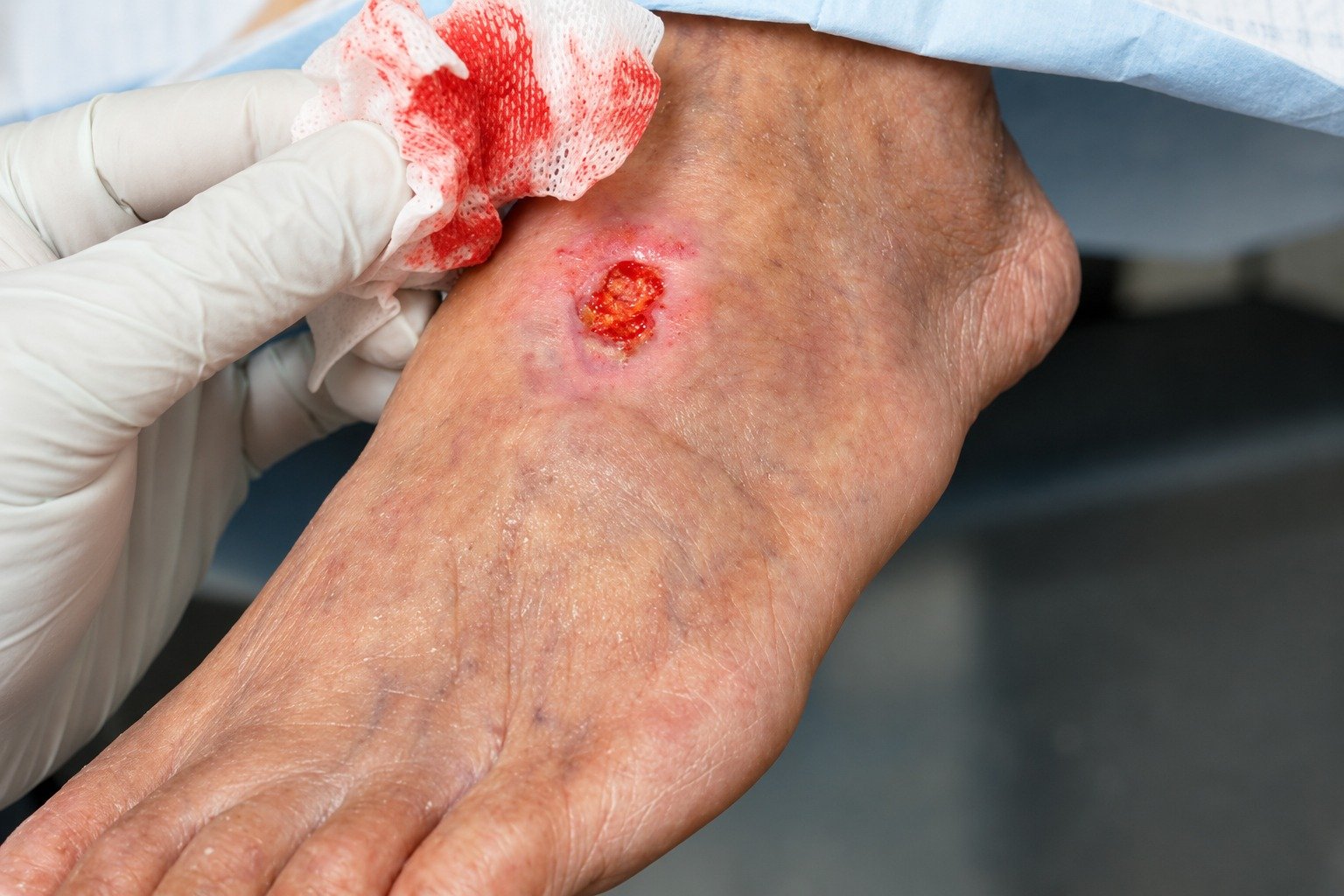
Sores That Won't Heal

Non-healing wounds may develop on the toes, feet, or legs when tissues do not receive enough blood flow.

05

Color Changes

The skin may appear pale, blue, or reddish as circulation to the affected area changes.

06

Hair Loss

Reduced hair growth on the feet and lower legs can occur with reduced blood supply.

Causes & Risk Factors

What Can Lead to
Peripheral Artery Disease?

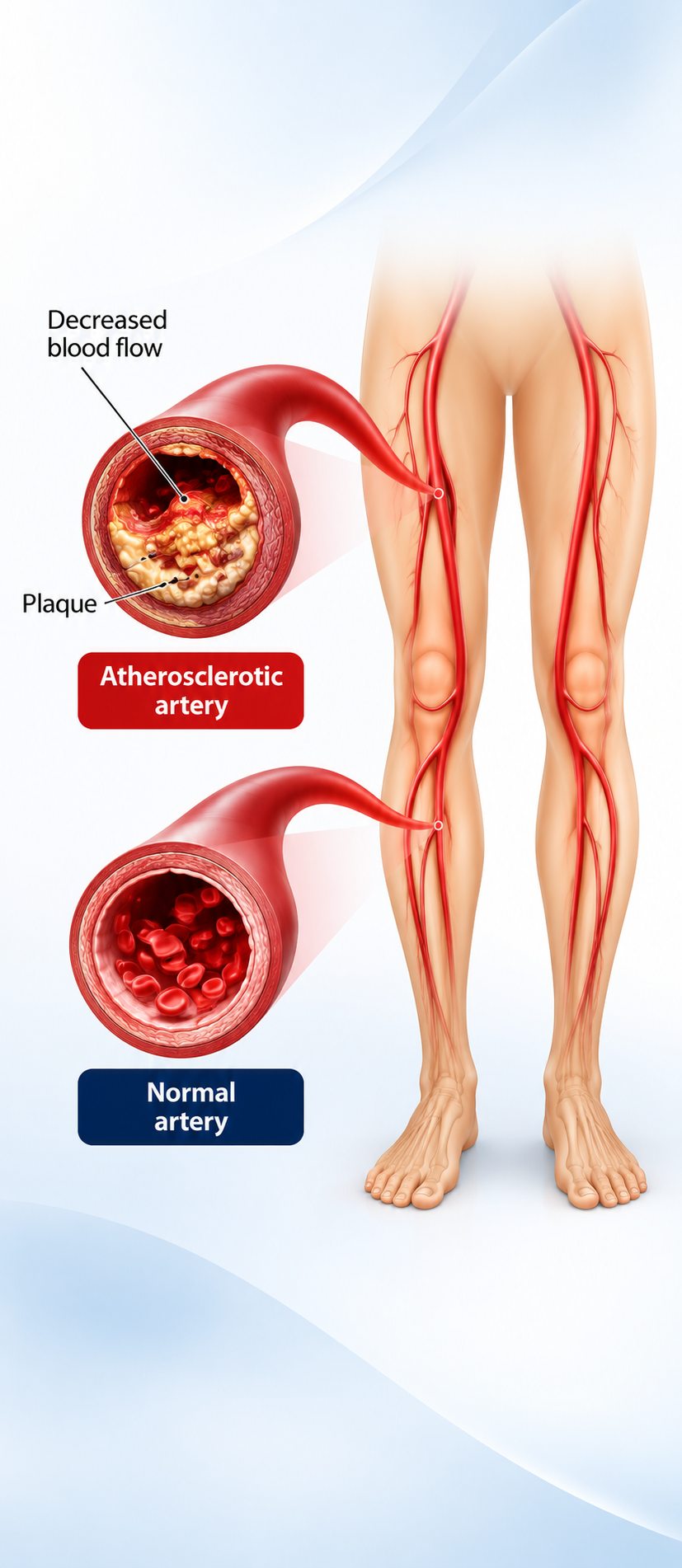
Peripheral Artery Disease is most commonly caused by atherosclerosis, which leads to narrowing of the arteries and reduced blood flow to the legs. Certain health and lifestyle factors can increase the risk of developing PAD.

Atherosclerosis

Plaque buildup inside the arteries can narrow or block blood vessels and reduce blood flow to the legs.

Diabetes

Diabetes can affect blood vessels and increase the likelihood of developing peripheral artery disease.

Smoking

Smoking damages blood vessels and is an important risk factor for PAD and reduced circulation.

High Cholesterol

Elevated cholesterol can contribute to plaque formation within the arteries and restrict blood flow.

Hypertension

High blood pressure can place ongoing stress on artery walls and contribute to vascular disease.

Age

The risk of PAD increases with age as changes in the arteries and other cardiovascular risk factors accumulate.

Comprehensive Diagnosis Process

Understanding the Source
of Reduced Blood Flow.

Ankle-brachial index (ABI) is a simple first test. Duplex ultrasound, CT or MR angiography and invasive angiography are used for anatomic detail if intervention is considered. Functional testing and exercise ABI help quantify limitation.

Circulation Assessment

Ankle-Brachial Index (ABI)

Simple test comparing blood pressure in the ankles and arms to help assess blood flow to the legs.

Vascular Imaging

Duplex Ultrasound

Imaging test to visualize blood flow and detect blockages within the arteries supplying the legs.

Advanced Imaging

CT Angiography

Detailed 3D images of blood vessels using contrast dye to identify the location and extent of arterial blockages.
Peripheral artery disease diagnosis and vascular assessment PAD Vascular Assessment
Magnetic Imaging

MR Angiography

Magnetic resonance imaging of blood vessels to provide detailed information about arterial blood flow and anatomy.

Invasive Assessment

Angiogram

Invasive test using dye and X-rays to view the arteries and define blockages when detailed vascular assessment is needed.

Laboratory Assessment

Blood Tests

Check cholesterol, triglycerides and diabetes markers that may contribute to peripheral artery disease and cardiovascular risk.

Advanced Treatment Options

Comprehensive Treatment
Options for PAD

Treatment is selected based on the severity of symptoms, the location and extent of arterial blockages, overall health and diagnostic findings. Options range from lifestyle measures and medicines to minimally invasive procedures and bypass surgery when required.

Lifestyle Changes for Peripheral Artery Disease
01
Foundation of Care

Lifestyle Changes

Exercise, smoking cessation, and a healthy diet to improve circulation and support overall vascular health.

Key Benefits
  • Improves circulation
  • Reduces risk factors
  • Non-invasive
Medications for Peripheral Artery Disease
02
Medical Management

Medications

Blood thinners, cholesterol drugs, and blood pressure medications may be used to manage cardiovascular risk factors and support PAD care.
Key Benefits
  • Prevents clots
  • Controls risk factors
  • Slows progression
Angioplasty for Peripheral Artery Disease
03
Minimally Invasive

Angioplasty

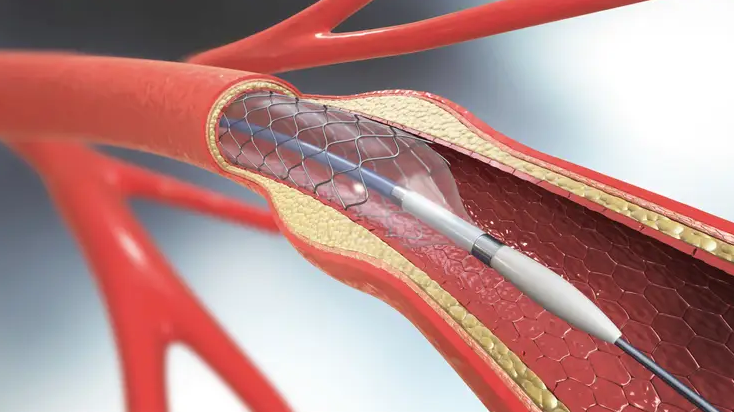
A minimally invasive procedure to open blocked arteries with a balloon. The balloon is guided to the narrowed area and inflated to help improve blood flow through the artery.
Key Benefits
  • Restores blood flow
  • Minimally invasive
  • Can improve circulation through treated artery
Stenting for Peripheral Artery Disease
04
Arterial Support

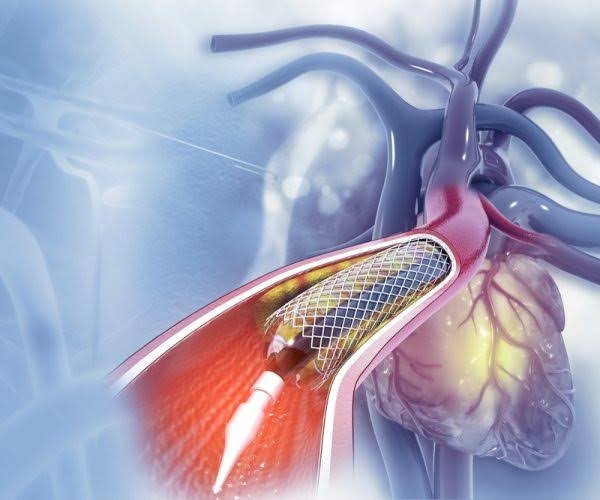
Stenting

Placement of a small mesh tube to help keep a treated artery open. A stent can provide structural support after an angioplasty procedure when it is considered appropriate.

Key Benefits
  • Maintains blood flow
  • Supports the treated artery
  • Minimally invasive approach
Bypass Surgery for Peripheral Artery Disease
05
Surgical Revascularization

Bypass Surgery

A surgical procedure that creates a detour around a blocked artery using a graft. It may be considered when significant arterial blockage requires a surgical route to restore circulation.
Key Benefits
  • Restores circulation
  • Used for selected severe cases
  • Provides a bypass around blockage
Atherectomy for Peripheral Artery Disease
06
Plaque Removal

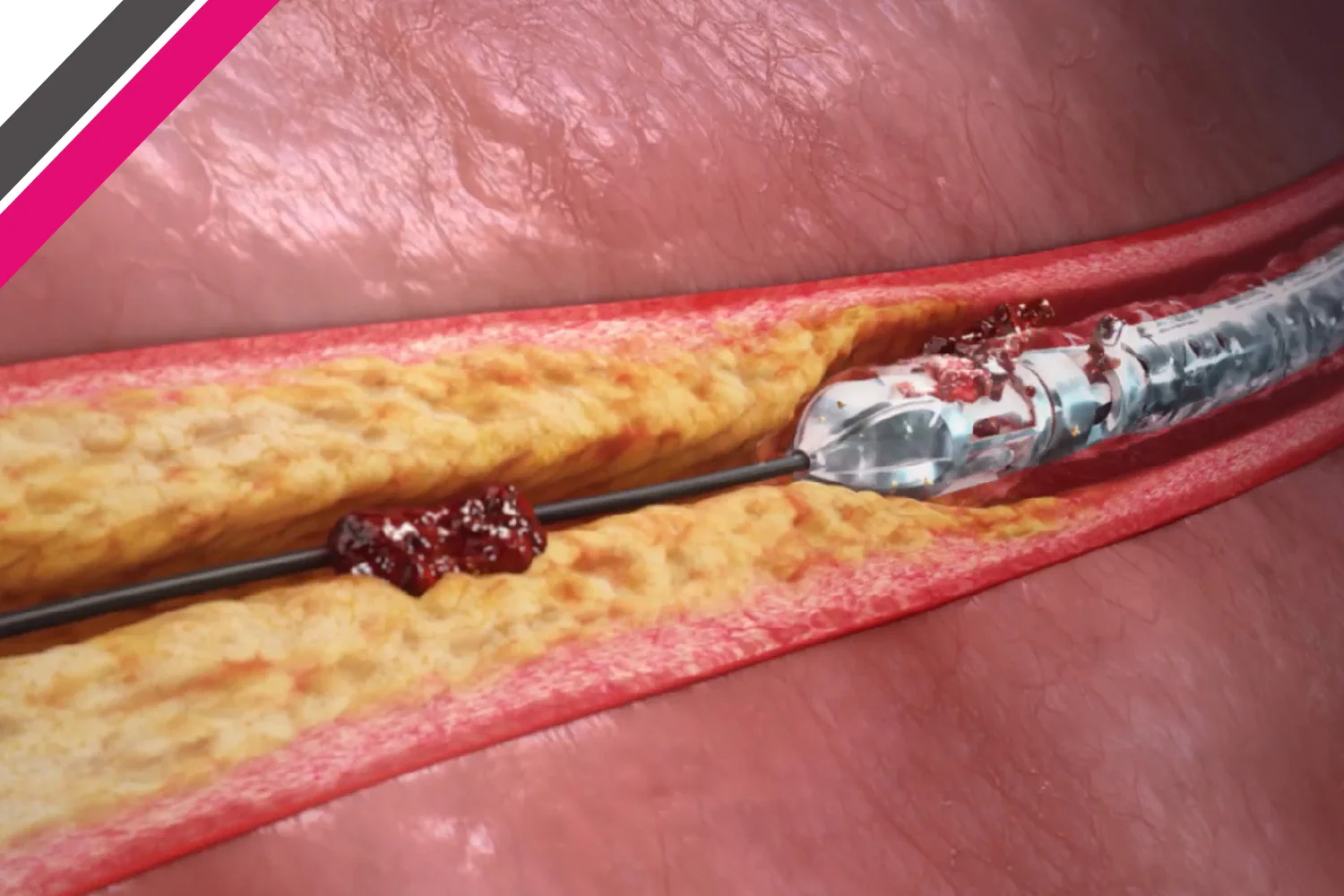
Atherectomy

A procedure used to remove plaque from the artery wall. A specialized device is used to treat selected arterial blockages and help improve the channel available for blood flow.

Key Benefits
  • Clears selected blockages
  • Improves blood flow
  • Minimally invasive approach
Book Your Appointment

Let's Talk About Your Arterial Health

If you are experiencing leg pain while walking, numbness, coldness, non-healing wounds or other symptoms associated with peripheral artery disease, schedule a consultation for a detailed vascular evaluation.

Specialist Consultation

Discuss your symptoms and concerns during a focused vascular consultation.

Individual Assessment

Your symptoms and clinical findings can be assessed to understand the underlying arterial problem.

Treatment Discussion

Suitable treatment options can be discussed based on your evaluation.

Request a Consultation

Fill in your details and our team will get in touch with you regarding your appointment.

Your information is submitted securely for appointment coordination.
Scroll to Top