
Diabetic Gangrene Treatment in Hyderabad for Foot and Limb Health
People with diabetes may develop foot wounds that become serious when blood circulation is poor or infection spreads. In severe conditions, the affected tissue may collapse, leading to gangrene that requires urgent hospital care. Dr. Viswanath Atreyapurapu, a vascular and endovascular surgeon, provides vascular assessment for diabetic gangrene treatment in Hyderabad and discusses suitable treatment options based on individual medical findings.
- 12+ Years of Clinical Experience
- MBBS, MS (General Surgery) and DrNB (Vascular Surgery)
- Diabetic Foot and Peripheral Artery Disease Assessment
- Gangrene-Related Vascular and Limb Preservation Care

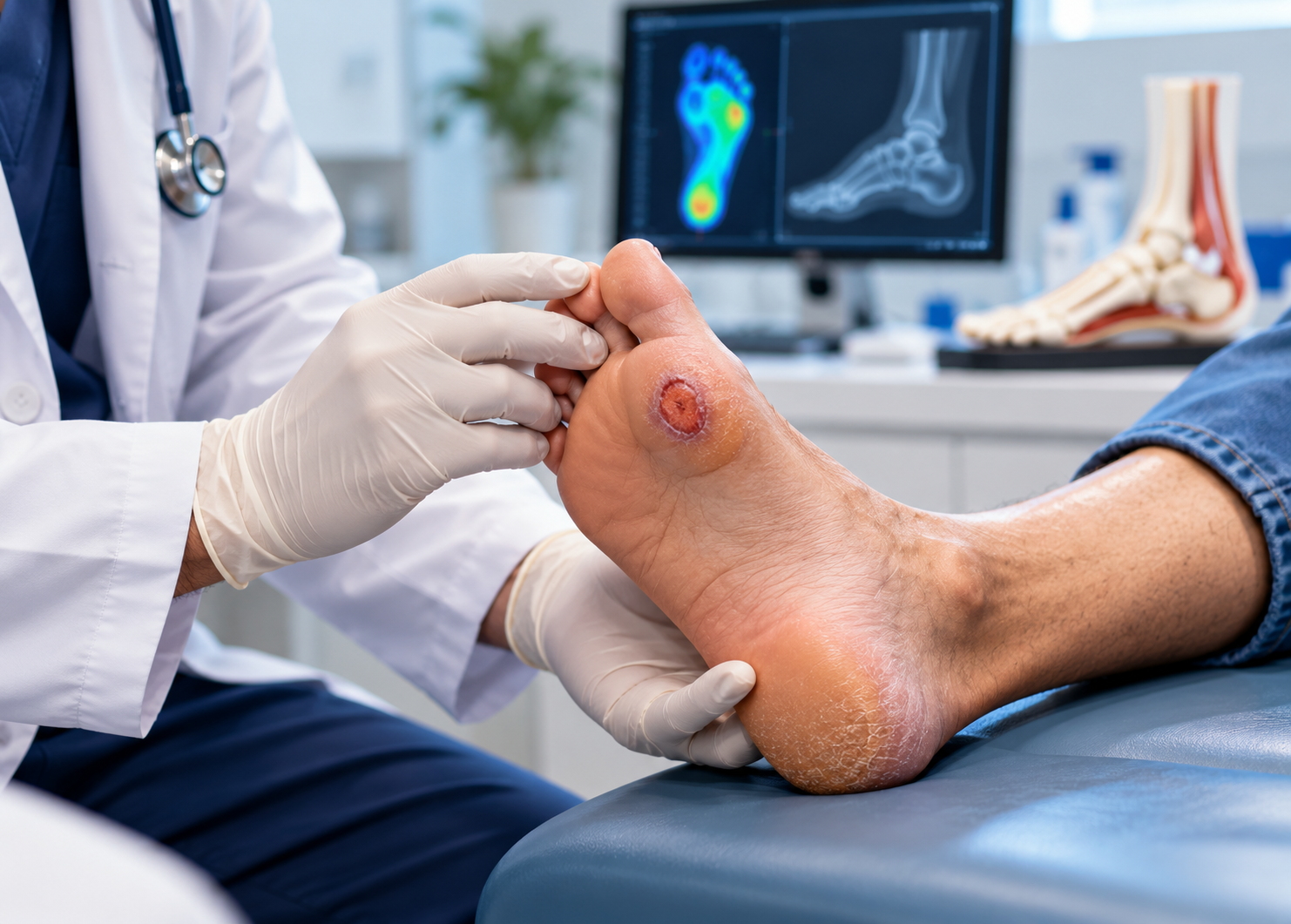
Specialist Consultation for Diabetes-Related Gangrene in Hyderabad
When diabetes damages nerves, foot injuries may go unnoticed, while reduced blood flow makes healing difficult. A diabetes gangrene specialist in Hyderabad evaluates the wound, checks circulation and identifies whether blocked arteries require treatment. Darkened toes, foul-smelling discharge or high fever require emergency hospital care because infection and tissue loss can progress rapidly.
Understanding Diabetic Gangrene and Its Treatment
Gangrene means tissue death. In diabetes, narrowed arteries, nerve damage and infection can increase the risk of foot wounds progressing to gangrene.
Care may involve antibiotics, removal of dead tissue and procedures to restore circulation. Extensive damage sometimes requires amputation. Several specialists may contribute to treatment.
Diabetic gangrene treatment in Hyderabad depends on infection, tissue damage, blood flow and overall health. Dead tissue cannot recover even after circulation improves.
Treatment Options Based on Clinical Findings
- Arterial angioplasty: Opens selected narrowed or blocked blood vessels.
- Vascular bypass: Redirects blood around certain arterial blockages.
- Wound debridement: Removes dead or infected tissue when indicated.
- Infection treatment: Uses suitable antibiotics and surgical drainage when required.
- Amputation: Removes severely damaged tissue when preservation is not possible.
Who Needs Urgent Evaluation for Diabetic Gangrene?
Possible gangrene in someone with diabetes requires immediate medical assessment. The hospital team decides whether restoring circulation could support remaining healthy tissue.
Warning signs that need urgent clinical attention include:
- Toes or foot skin turning black, purple or unusually pale
- A wound developing an unpleasant smell or increasing discharge
- Rapid swelling, redness or warmth around damaged skin
- Severe foot pain or unexpected numbness with colour changes
- Fever, weakness or spreading infection alongside a foot wound
Foot Problems Addressed During Gangrene Management
Diabetic gangrene can affect the feet in different ways depending on blood circulation, infection severity and the extent of tissue damage. Understanding these concerns helps doctors identify treatment needs and plan appropriate care.
Reduced Blood Flow to the Foot
Peripheral artery disease can reduce blood supply to the feet, delaying wound healing. Vascular scans help identify blockages and guide decisions about suitable treatment options.
Non-Healing Diabetic Foot Wounds
Diabetes may reduce foot sensation, allowing small injuries to worsen unnoticed. Care focuses on cleaning wounds, relieving pressure, treating infection and managing blood sugar levels.
Deep Infection and Spreading Inflammation
An infected diabetic wound may spread into muscles or bones. Urgent hospital care can include antibiotics, drainage and surgery to remove infected or damaged tissue.
Dead Tissue and Risk of Limb Loss
Gangrene causes irreversible tissue death. Doctors assess how far damage has spread and whether debridement or amputation is required to control infection and protect health.
Dr. Viswanath Atreyapurapu Approach to Diabetic Gangrene Assessment and Care
Dr. Viswanath Atreyapurapu reviews circulation, wound severity and overall health. Severe infection requires immediate hospital care involving relevant specialists.
Initial Clinical Discussion
The consultation covers when the wound appeared, changes in colour or discharge, pain, fever, diabetes history and any previous medical treatment for poor blood circulation.
Circulation and Foot Assessment
The doctor checks foot pulses, skin temperature and sensation while examining wound depth and surrounding skin to understand the extent of tissue damage and infection.
Imaging and Infection Review
Doppler ultrasound or arterial imaging helps identify blood vessel blockages. Blood tests and wound investigations may reveal infection or possible involvement of the underlying bone.
Treatment Suitability Review
The doctor considers artery blockages, remaining healthy tissue, infection severity and overall health before deciding whether angioplasty, bypass or another treatment option is appropriate for them.
Individualized Treatment Planning
Treatment may involve improving circulation, controlling infection and caring for the wound. Spreading infection may require urgent drainage or removal of severely damaged foot tissue.
Follow-Up and Recovery Guidance
Follow-up visits assess wound healing and circulation. Patients receive guidance on dressings, pressure relief, blood sugar management and warning signs that require urgent medical attention.

About Dr. Viswanath Atreyapurapu
Dr. Viswanath Atreyapurapu holds MBBS, MS (General Surgery) and DrNB (Vascular Surgery) credentials, has 12+ years of clinical experience and consults in Kondapur, Hyderabad.
His practice covers peripheral artery disease, diabetic foot complications and circulation-related wounds. Individuals seeking a diabetic gangrene doctor in Hyderabad can discuss vascular investigations and treatment alongside hospital-based infection care.
Related Areas of Practice
- Peripheral artery disease management
- Diabetic foot and limb preservation assessment
- Angioplasty and vascular stenting
- Critical limb ischaemia evaluation
- Non-healing wound circulation assessment
Vascular procedures are not suitable for everyone. Decisions reflect limb damage, circulation and the need for coordinated specialist care.
Why Patients Consult a Vascular Surgeon for Diabetic Gangrene
When arteries are narrowed, a vascular review helps clarify options for the remaining living tissue. Diabetic gangrene treatment in Hyderabad may involve circulation-restoring procedures when clinically appropriate.
Dr. Viswanath Atreyapurapu reviews imaging and tissue viability alongside infection priorities. He discusses potential benefits and risks of vascular intervention.
What You Can Discuss During Consultation
- Whether reduced circulation is affecting the wound
- Which vascular tests may be needed
- Whether angioplasty or bypass is an option
- When removal of damaged tissue is necessary
- Possible risks, recovery needs and follow-up
Benefits of Timely Vascular Management
For suitable patients, restoring circulation may support living tissue and wider wound management.
- Improved blood supply to viable foot tissue
- Better conditions for healing after wound treatment
- Clearer planning for infection and surgical care
- Assessment of opportunities to preserve limb function
- Ongoing monitoring of arterial health and wounds
Preparing for a Diabetic Gangrene Consultation
Before Your Appointment
Bring diabetes records, recent scans and medication details. Never delay urgent hospital assessment to collect documents.
During Your Appointment
The doctor reviews foot changes, circulation and possible interventions. Severe infection may require immediate hospital treatment.
After Your Appointment
Next steps depend on urgency and may include admission, imaging, vascular procedures or wound care.
Frequently Asked Questions
1. Can diabetic gangrene heal without surgery?
Dead tissue cannot heal naturally. Treatment may include antibiotics and improving blood circulation, while severely damaged or infected tissue may require surgical removal.
2. Is diabetic foot gangrene a medical emergency?
Yes, Diabetic foot gangrene requires immediate hospital care because infection and tissue damage can progress rapidly. Delaying treatment may increase the risk of serious complications.
3. Can angioplasty help avoid amputation?
Angioplasty improves blood flow by opening narrowed or blocked arteries. It may help preserve healthy tissue, although severe infection or extensive damage can still require amputation.
4. How is diabetic gangrene diagnosed?
Doctors evaluate foot wounds, skin colour and circulation to identify tissue damage. Blood tests, Doppler ultrasound and arterial imaging help assess infection and blocked arteries.
5. How long does recovery take after gangrene treatment?
Recovery varies from person to person depending on wound severity, infection and circulation. Some individuals need regular dressings, rehabilitation and medical follow-up for several weeks or longer.
Discuss Diabetic Gangrene Treatment and Vascular Care in Hyderabad
People with diabetes who notice blackened toes, worsening wounds or foul-smelling discharge need urgent hospital assessment. After immediate infection and tissue concerns are managed, diabetic gangrene treatment in Hyderabad may include checking blocked arteries and discussing ways to protect remaining healthy tissue. A vascular consultation helps explain treatment options and foot care.
Book an Appointment Call +91 98495 73366