Gangrene Wound Treatment Specialist in Hyderabad for Advanced Vascular and Wound Care
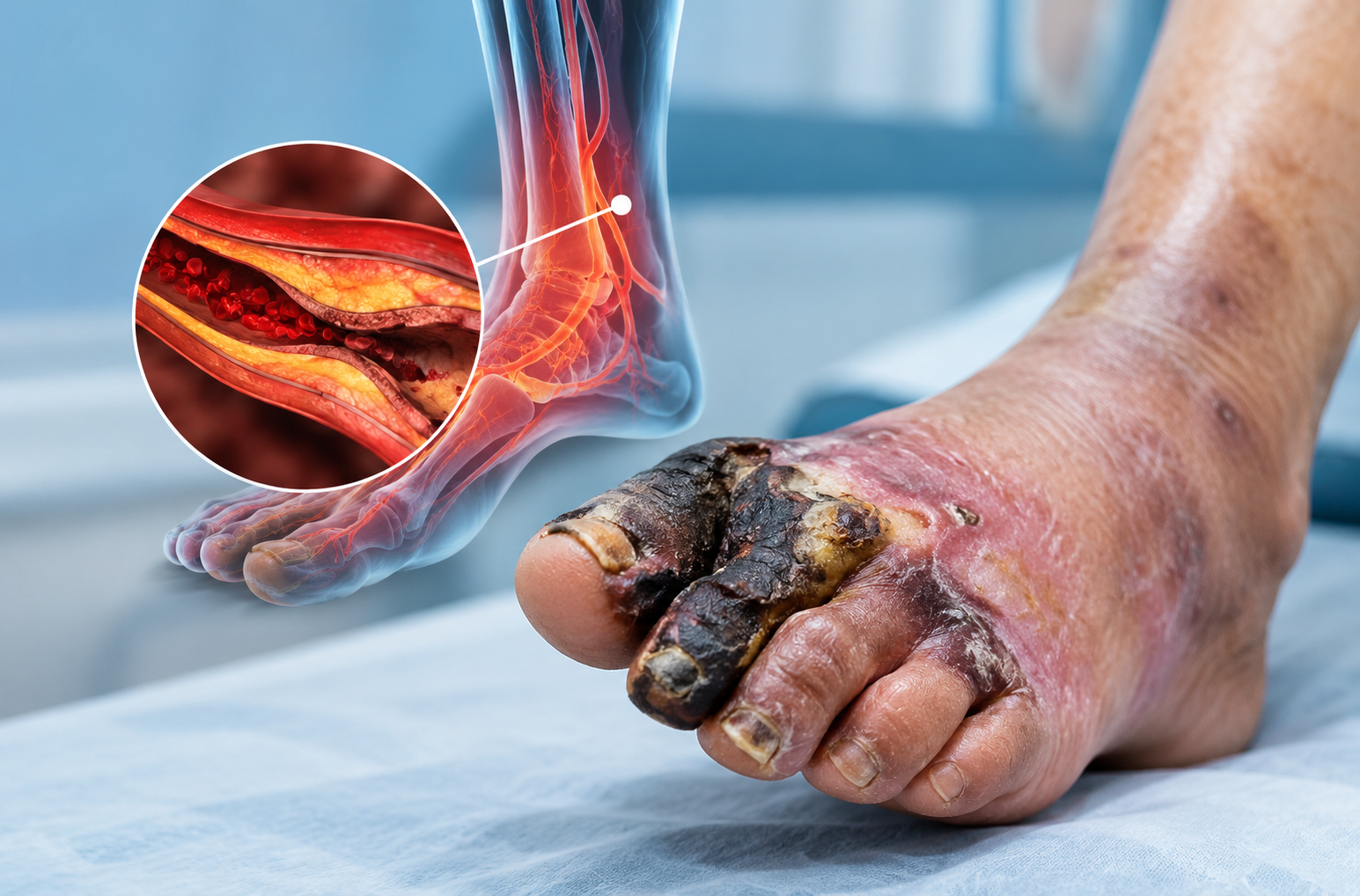
Gangrene develops when poor circulation or infection causes tissue to perish, often affecting the toes, feet or legs. Warning signs include darkened skin, severe pain, numbness and foul-smelling wounds. When blocked arteries are involved, a gangrene wound treatment specialist in Hyderabad can evaluate circulation. Dr. Viswanath Atreyapurapu evaluates vascular concerns and discusses treatment options.
- 12+ Years of Clinical Experience
- MBBS, MS and DrNB (Vascular Surgery)
- Expertise in Peripheral Arterial Disease
- Gangrene Wound and Circulation Evaluation
Specialist Gangrene Wound Evaluation and Vascular Care in Hyderabad
Changes in skin colour, numbness, swelling or discharge from a foot wound may signal serious tissue damage, particularly in people with diabetes or poor circulation. During an assessment, a gangrene wound treatment specialist in Hyderabad can inspect the affected area, review symptoms and use vascular imaging to identify blocked arteries. Treatment may involve infection control, removal of dead tissue or procedures to improve blood flow, depending on the findings. Suspected gangrene, especially with fever or spreading redness, requires immediate assessment in a hospital emergency department.
What Is Gangrene?
Gangrene occurs when tissue perishes, affecting the toes, feet or legs. It may develop when blocked arteries restrict blood flow or an infection damages tissue. Without timely care, the damage can spread.
Treatment depends on the cause and severity. Doctors may recommend antibiotics, removal of dead tissue or procedures to restore circulation. Advanced damage may require amputation to control infection.
The approach varies with wound condition, blood supply and overall health. A medical diagnosis helps determine the treatment needed for each person.
Treatment Options Including Leg Gangrene Surgery in Hyderabad
- Circulation Tests: Identify arterial blockages.
- Infection Control: Use antibiotics when indicated.
- Debridement: Remove dead tissue when necessary.
- Blood Flow Restoration: Consider angioplasty, stenting or bypass for blockages.
- Surgery: Consider an operation if tissue damage is severe.
- Wound Management: Arrange dressings and reviews.
Who Needs Urgent Gangrene Assessment?
People with diabetes, poor circulation or worsening wounds may develop serious tissue damage. Even without pain, suspected gangrene requires immediate assessment at a hospital emergency department.
Recognize these warning signs:
- Black, purple or grey areas on toes or feet
- Wounds with foul discharge, swelling or spreading redness
- Severe foot pain, numbness or unexpectedly cold skin
- A diabetic foot ulcer that fails to heal
- Arterial disease with new skin changes or tissue breakdown
Gangrene Wound Complications That Require Specialist Assessment
Gangrene can damage deeper tissues, not just the skin, particularly when circulation is poor or infection spreads. Specialists evaluate the blood supply, infection severity and remaining healthy tissue to guide treatment.
Reduced Foot Circulation
Blocked arteries deprive tissue of oxygen. Imaging can reveal whether restoring circulation may support treatment of the affected limb.
Infected Wound Treatment for Gangrene-Related Infection
Infection may spread into deeper tissue. Infected wound treatment may involve antibiotics, drainage or removal of damaged tissue in hospital.
Dead Tissue
Dead tissue cannot recover. Surgical removal may be necessary while treatment of surrounding skin depends on circulation and infection.
Further Tissue Loss
Damage can spread. Care focuses on infection, restoring blood flow when possible and protecting viable tissue.
Dr. Viswanath Atreyapurapu Approach to Gangrene Wound Care in Hyderabad
Gangrene treatment begins with identifying dead tissue, checking blood flow and assessing infection. These findings help guide suitable care based on wound severity and overall health.
Initial Consultation
We review wound changes, pain, diabetes history and previous care while checking for fever or spreading infection that calls for immediate emergency hospital assessment.
Clinical Evaluation
We evaluate the affected limb for skin colour, swelling, tissue loss, and discharge. Foot pulses, warmth and sensation provide important clues about circulation and nerve function.
Blood Flow and Infection Assessment
Duplex ultrasound or other arterial imaging may identify narrowed or blocked blood vessels. Blood tests and wound findings help assess infection and guide further management.
Individual Treatment Planning
Based on the findings, treatment may include antibiotics, circulation-restoring procedures or removal of dead tissue. Severe damage may require leg gangrene surgery in Hyderabad.
Coordinated Wound Management
When needed, vascular specialists coordinate with wound care and diabetes teams. Dressing plans, pressure relief and infection monitoring are personalized to the wound's condition.
Follow-Up and Recovery Guidance
Follow-up visits help track healing, circulation and signs of further infection. Individuals and caretakers receive practical advice about wound dressings, foot protection and diabetes management.

About Dr. Viswanath Atreyapurapu
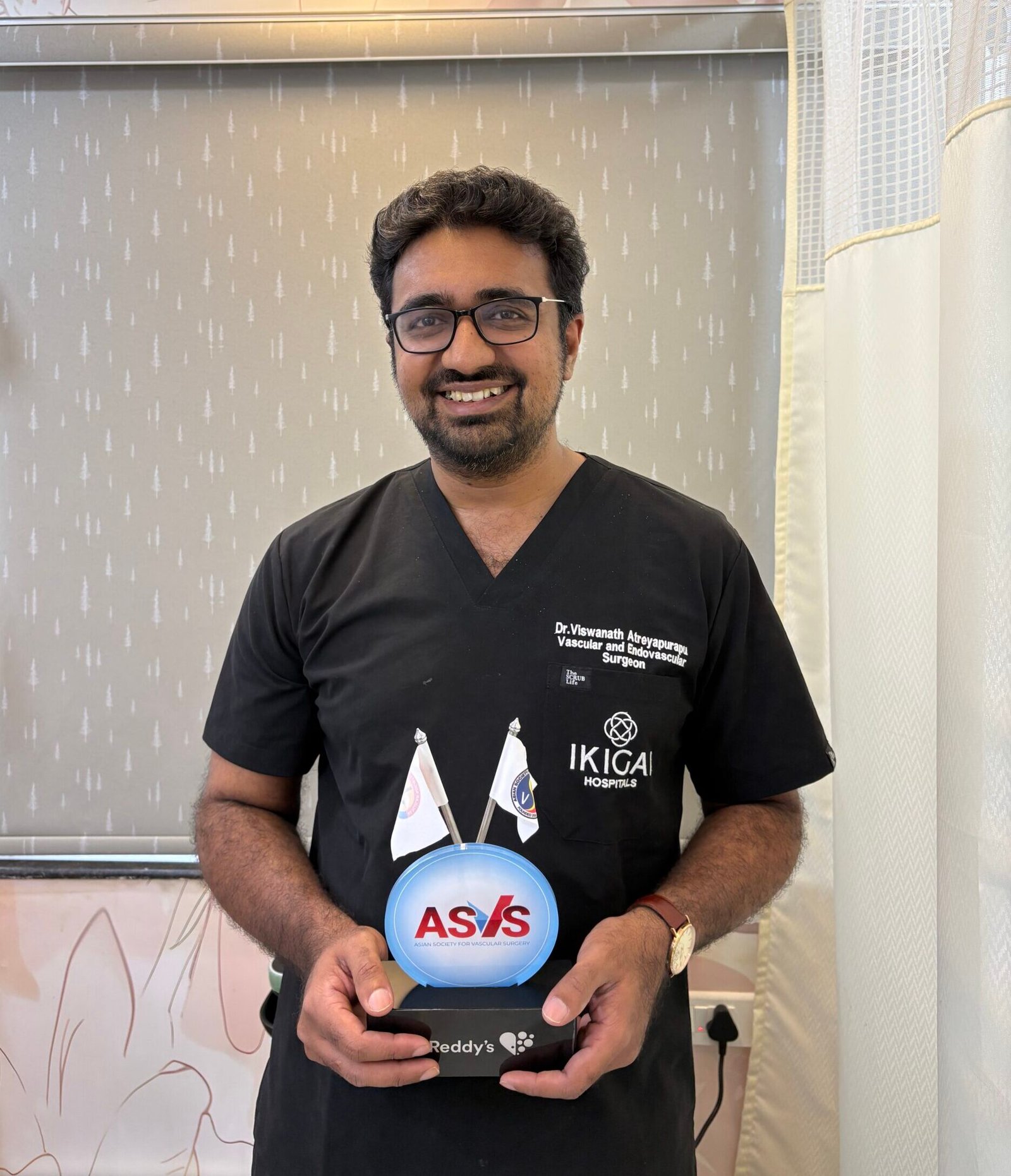
A consultant vascular and endovascular surgeon, he has more than 12 years of clinical experience. His professional credentials include MBBS, MS in General Surgery and DrNB in Vascular Surgery.
His clinical focus includes peripheral arterial disease, diabetic foot complications, non-healing wounds and threatened limbs. For people seeking gangrene wound care in Hyderabad, he evaluates arterial blockages and discusses whether circulation-restoring treatment may contribute to wound management. Infection and tissue loss may require a wider specialist team.
Areas of Vascular Practice
- Peripheral arterial disease
- Diabetic foot and chronic wounds
- Critical limb ischemia
- Angioplasty and arterial stenting
- Bypass surgery assessment
- Venous disease and ulcer care
Gangrene care can involve multiple interventions. Recommendations depend on the extent of tissue damage, infection, arterial findings and general health. Each treatment decision follows an individual clinical assessment.
Why Patients Consult Dr. Viswanath Atreyapurapu for Gangrene Wounds
Poor circulation can slow wound healing and increase the risk of tissue damage in the feet or legs. Consulting a gangrene wound treatment specialist in Hyderabad helps identify underlying vascular problems.
Dr. Viswanath Atreyapurapu reviews diagnostic findings and vascular scans to explain treatment options. He discusses whether restoring blood flow, removing dead tissue or coordinating further care may be necessary.
What Can You Discuss During Consultation
- Whether blood flow contributes to tissue damage
- Whether emergency admission is necessary
- Infection management and wound surgery options
- Revascularization and possible amputation
- Complications, recovery and follow-up
- Diabetes care and foot protection
Benefits of Timely Gangrene Treatment
Timely treatment aims to control immediate problems and limit further harm. Possible benefits depend on tissue viability, infection severity and circulation.
- Control infection before it spreads further
- Restore blood flow when medically feasible
- Remove tissue that cannot recover
- Limit additional wound deterioration and complications
- Support healing through planned wound reviews
- Preserve healthy tissue where possible
Preparing for Your Gangrene Consultation
Before Your Appointment
Bring past scans, wound reports and medication details. Mention diabetes, smoking history and earlier vascular procedures. For suspected gangrene or rapidly worsening symptoms, go directly to an emergency department.
During Your Appointment
The doctor reviews symptoms, evaluates the affected limb and considers circulation tests or hospital referral. Treatment discussions cover infection control, surgical options, risks and recovery.
After Your Appointment
Next steps may include hospital admission, imaging or coordinated wound care. Treatment timing and follow-up depend on urgency, tissue condition and clinical findings.
Frequently Asked Questions
1. Can a gangrene wound heal without surgery?
Dead tissue cannot heal. Treatment may include antibiotics or procedures to improve circulation, but surgical removal is often necessary depending on tissue damage and infection.
2. How do I know if a foot wound is gangrene?
Gangrene may cause blackened skin, numbness, swelling or foul-smelling discharge. These symptoms require immediate hospital assessment, even when the affected area is not painful.
3. Can restoring blood flow help prevent amputation?
Improving circulation may help protect healthy tissue and support wound healing. Amputation may still be necessary when infection is severe or tissue damage is extensive.
4. How long does a gangrene wound take to heal?
Recovery differs from person to person. Healing depends on the extent of tissue damage, blood circulation, infection control, overall health and the type of treatment required.
5. Is gangrene more common in people with diabetes?
Yes, diabetes can damage nerves and blood vessels, making foot injuries harder to notice and wounds slower to heal. Regular foot checks and early treatment are important.
Consult a Gangrene Wound Treatment Specialist in Hyderabad for Vascular Care
Suspected gangrene needs immediate hospital assessment. A gangrene wound treatment specialist in Hyderabad can evaluate vascular factors and explain whether circulation-restoring procedures have a role in wider wound management. Once urgent needs are addressed, arrange a consultation to discuss findings, treatment options and follow-up.
Book an Appointment Call +91 98495 73366