Leg Gangrene Treatment in Hyderabad With Specialist Vascular Assessment
A toe turning dark, a foot wound that does not heal or worsening leg pain can be warning signs of gangrene. This serious condition develops when poor blood circulation or infection causes tissue damage. For leg gangrene treatment in Hyderabad, Dr. Viswanath Atreyapurapu evaluates the affected area, checks blood flow and identifies suitable treatment options. Suspected gangrene requires urgent medical attention.
- 12+ Years of Clinical Experience
- MBBS, MS and DrNB (Vascular Surgery)
- Gangrene and Diabetic Foot Assessment
- Vascular & Endovascular Surgeon in Kondapur, Hyderabad
Specialist Consultation for Leg Gangrene Treatment in Hyderabad
Beyond visible skin changes, a specialist consultation looks at the factors affecting healing. Dr. Viswanath Atreyapurapu reviews conditions such as diabetes, previous wounds and earlier vascular treatments. He may evaluate foot pulses and recommend duplex ultrasound or arterial imaging. These findings help determine whether urgent hospital care, infection management, removal of dead tissue or a procedure to improve circulation is needed.
What Is Leg Gangrene?
Leg gangrene means tissue death in a leg, foot or toe. It often results from severely restricted blood flow, though infections can also damage tissue and spread quickly.
Treatment addresses infection, removes dead tissue when necessary and restores circulation where feasible. Options may include antibiotics, wound procedures, vascular intervention or amputation in advanced situations.
Dead tissue cannot recover. Preserving nearby healthy tissue depends on remaining circulation, infection severity and the extent of damage.
Treatment Options That May Be Considered
- Antibiotics for infection
- Wound cleaning and debridement
- Angioplasty or bypass for circulation
- Surgery for spreading tissue damage
- Amputation when medically necessary
When to Seek Urgent Medical Attention for Gangrene in Hyderabad
Persistent foot wounds, discoloured toes and circulation problems require prompt evaluation. Diabetes, smoking and peripheral artery disease can increase the risk.
Seek medical attention for any of these warning signs:
- Toes turning black, purple or unusually pale
- An open wound developing a bad smell
- Increasing pain, numbness or foot coldness
- Spreading redness, swelling or wound discharge
- Fever or sudden deterioration with a foot wound
Leg Gangrene Symptoms and Conditions Requiring Specialist Care
Gangrene affects more than skin appearance. Checking circulation, infection and surrounding tissue helps identify problems requiring immediate treatment.
Blackened Toes or Skin
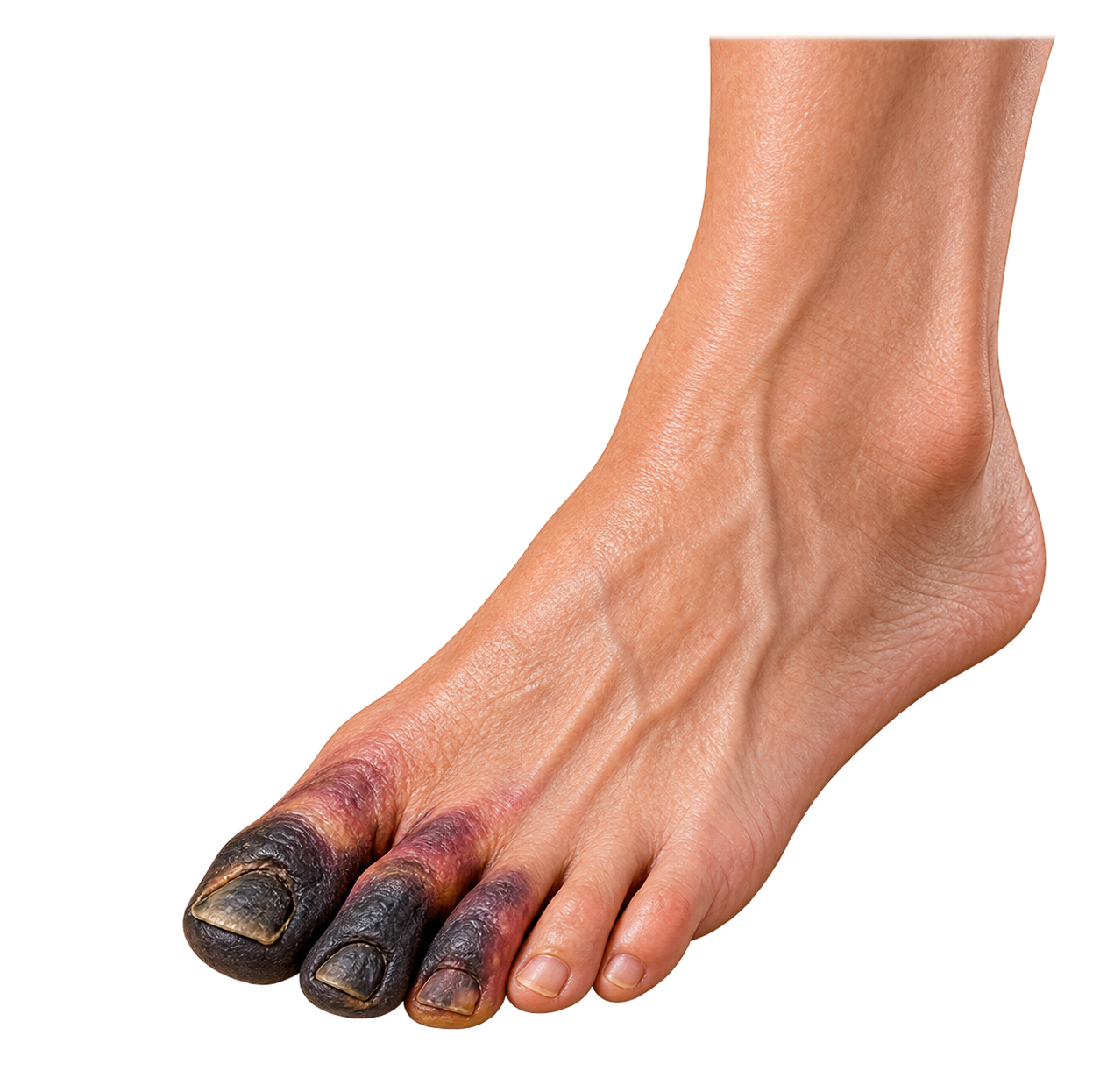
Dark or hardened skin can indicate tissue death from poor circulation. Evaluation establishes how far the damage extends and whether surrounding tissue remains healthy.
Non-Healing Foot Wounds
A deepening ulcer may reflect poor circulation or underlying infection. Testing helps identify why it is not healing and which treatment is needed.
Severe Pain or Loss of Sensation
Poor arterial supply can cause night pain or pain at rest. Diabetes-related nerve damage may hide serious injury even when discomfort is mild.
Spreading Infection and Swelling
Discharge, swelling and unpleasant odour may signal infection. Rapid deterioration, fever or confusion requires emergency hospital care because infection can become life-threatening.
Dr. Viswanath Atreyapurapu Approach to Gangrene Care
Care begins by identifying immediate risks, blood flow problems and the potential for tissue healing.
Initial Consultation
The doctor asks when symptoms began, whether wounds have recurred and what treatments were tried. Diabetes, medicines and relevant medical history are reviewed.
Clinical Evaluation
The foot is checked for damaged skin, infection and pulses. Duplex ultrasound, blood tests or arterial imaging may clarify circulation and disease severity.
Treatment Suitability Review
The findings help determine whether circulation can improve and what tissue remains viable. Infection control, debridement and possible amputation are considered.
Personalized Treatment Planning
Care may combine antibiotics, wound procedures and revascularisation. When leg gangrene surgery in Hyderabad is needed, the doctor explains its purpose, risks and urgency.
Follow-Up and Recovery Guidance
Follow-up may involve dressings, infection checks, circulation review and diabetes management. Instructions reflect healing progress.

About Dr. Viswanath Atreyapurapu
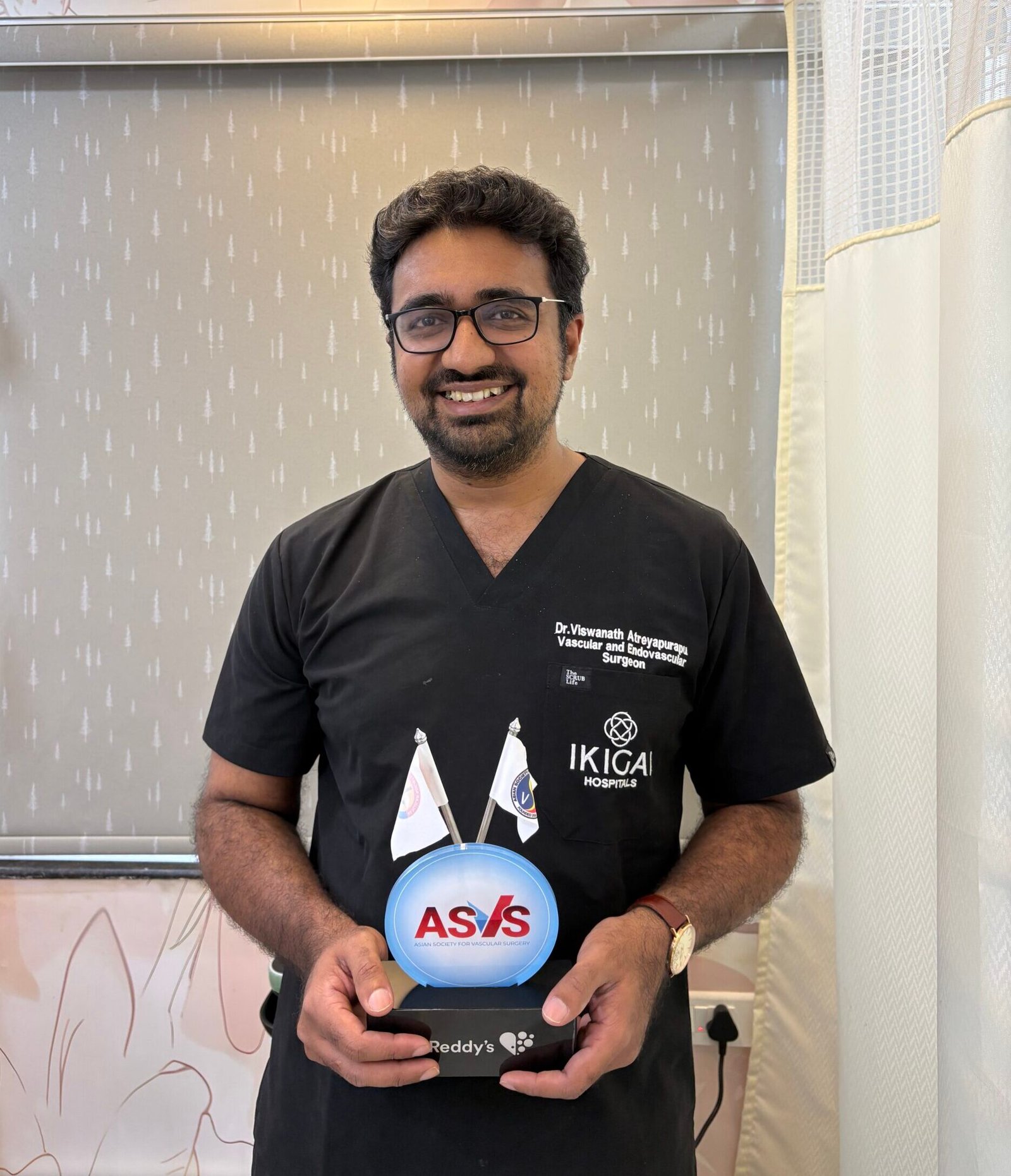
Dr. Viswanath Atreyapurapu is a vascular and endovascular surgeon with MBBS, MS and DrNB certifications and over 12 years of clinical experience. His expertise includes managing blood circulation problems affecting the legs and feet.
For individuals with gangrene, he evaluates the extent of tissue damage and checks for conditions such as blocked arteries, diabetic foot complications and infection. Further tests help determine whether blood flow can be improved. Based on the findings, he discusses suitable options, including vascular procedures, wound management or removal of damaged tissue.
Areas of Practice
- Peripheral arterial disease
- Diabetic foot care
- Critical limb ischaemia
- Angioplasty and stenting
- Limb preservation
The extent of injury and overall health influence decisions. If infection is severe, hospital treatment takes priority over an outpatient visit. Assessment also considers how diabetes and other illnesses may affect recovery.
Why Patients Consult for Leg Gangrene Treatment in Hyderabad
Individuals need clear information about tissue damage, remaining circulation and options for protecting healthy areas before a procedure is proposed.
Dr. Viswanath Atreyapurapu explains test findings and whether revascularisation, wound procedures or extensive surgery may be appropriate. Patients can discuss risks, recovery and urgent next steps.
What Patients Can Discuss During Consultation
- Whether foot arteries are blocked
- Tests needed to assess circulation
- Antibiotics, wound care and surgery
- Limitations of tissue preservation
- Recovery and future foot protection
Benefits of Timely Gangrene Treatment
Timely care addresses infection and poor blood flow while aiming to protect healthy tissue. Benefits vary by severity.
- Management of serious infection
- Removal of nonviable tissue
- Improved blood flow when feasible
- Preservation of viable tissue where possible
- Planned wound care and monitoring
What to Expect During Your Consultation
Before Your Appointment
Bring scans, prescriptions, laboratory reports and diabetes records. Note skin changes, pain or discharge. Seek emergency help instead if symptoms worsen rapidly.
During Your Appointment
The doctor examines the limb, reviews findings and explains relevant tests. Discuss circulation, infection, treatment options and whether hospital admission is required.
After Your Appointment
Next steps could involve hospital admission, imaging, wound care or vascular treatment. Follow-up depends on the severity and healing response.
Frequently Asked Questions
1. Can leg gangrene be treated without amputation?
Yes, in some cases. If enough healthy tissue remains, treating infection and improving blood flow may help preserve the limb. Severe tissue damage may require amputation.
2. Is gangrene in the foot a medical emergency?
Yes, gangrene requires urgent medical attention. If you notice spreading redness, fever, severe pain or rapid skin changes, seek emergency hospital care immediately.
3. What tests are used to check blood flow in gangrene?
Doctors may check foot pulses and recommend duplex ultrasound or arterial imaging to assess circulation. Blood tests and wound examinations can also help identify infection.
4. Does diabetes increase the risk of leg gangrene?
Yes, diabetes can affect blood circulation and reduce foot sensation, making injuries harder to notice and wounds slower to heal. Regular foot evaluations help identify problems early.
5. How long does recovery take after gangrene treatment?
Wound healing and recovery vary from person to person. The time needed depends on tissue damage, blood circulation, infection severity and the type of treatment received.
Seek Specialist Assessment for Gangrene Symptoms
Blackened toes, painful wounds or skin breakdown require prompt evaluation. Discuss Leg Gangrene Treatment in Hyderabad with a vascular specialist. If infection spreads or symptoms suddenly worsen, go to an emergency department immediately rather than waiting for a clinic appointment.
Book an Appointment Call +91 98495 73366