Varicose Veins Treatment in Hyderabad for Leg Pain, Swelling and Vein Problems
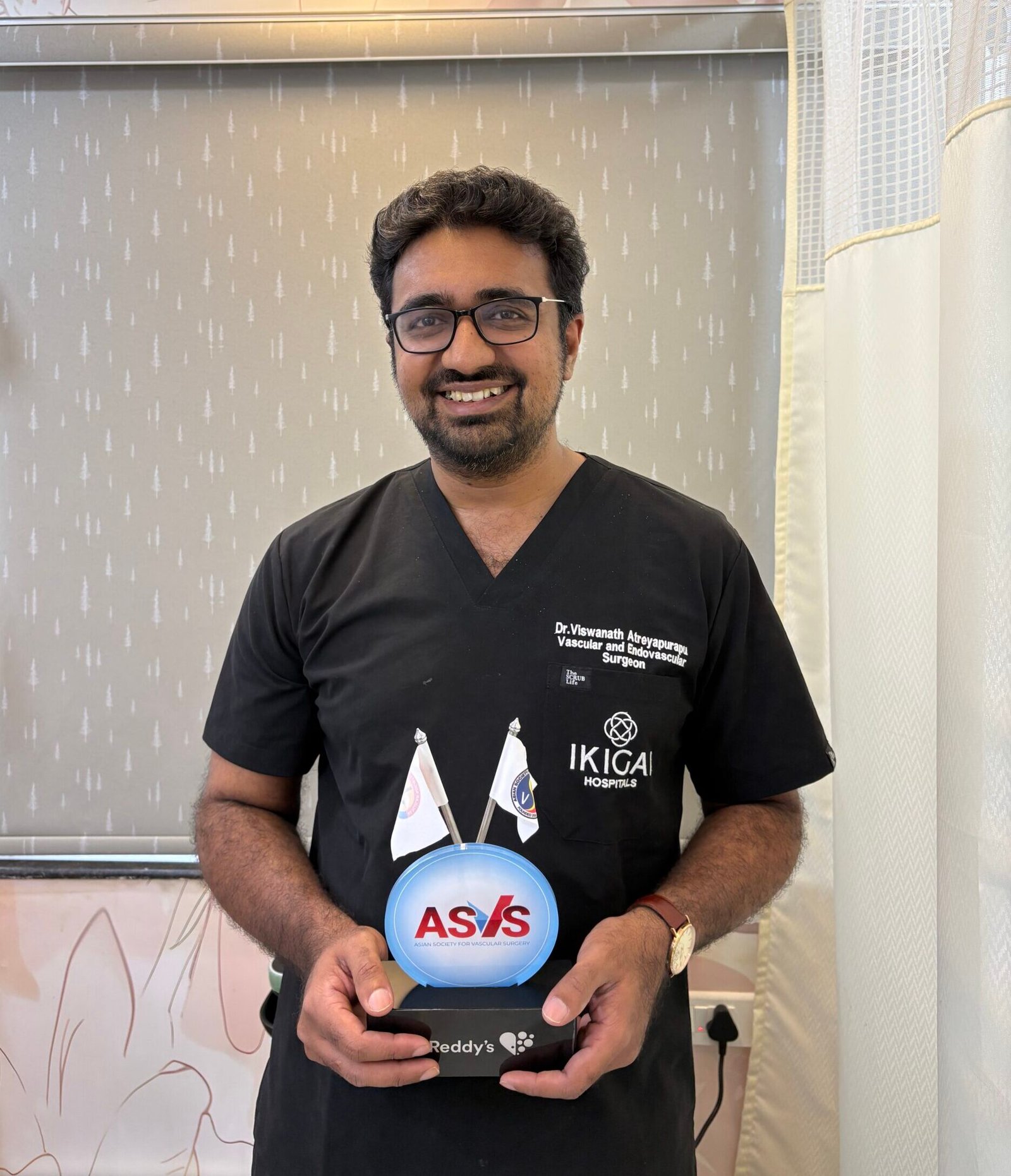
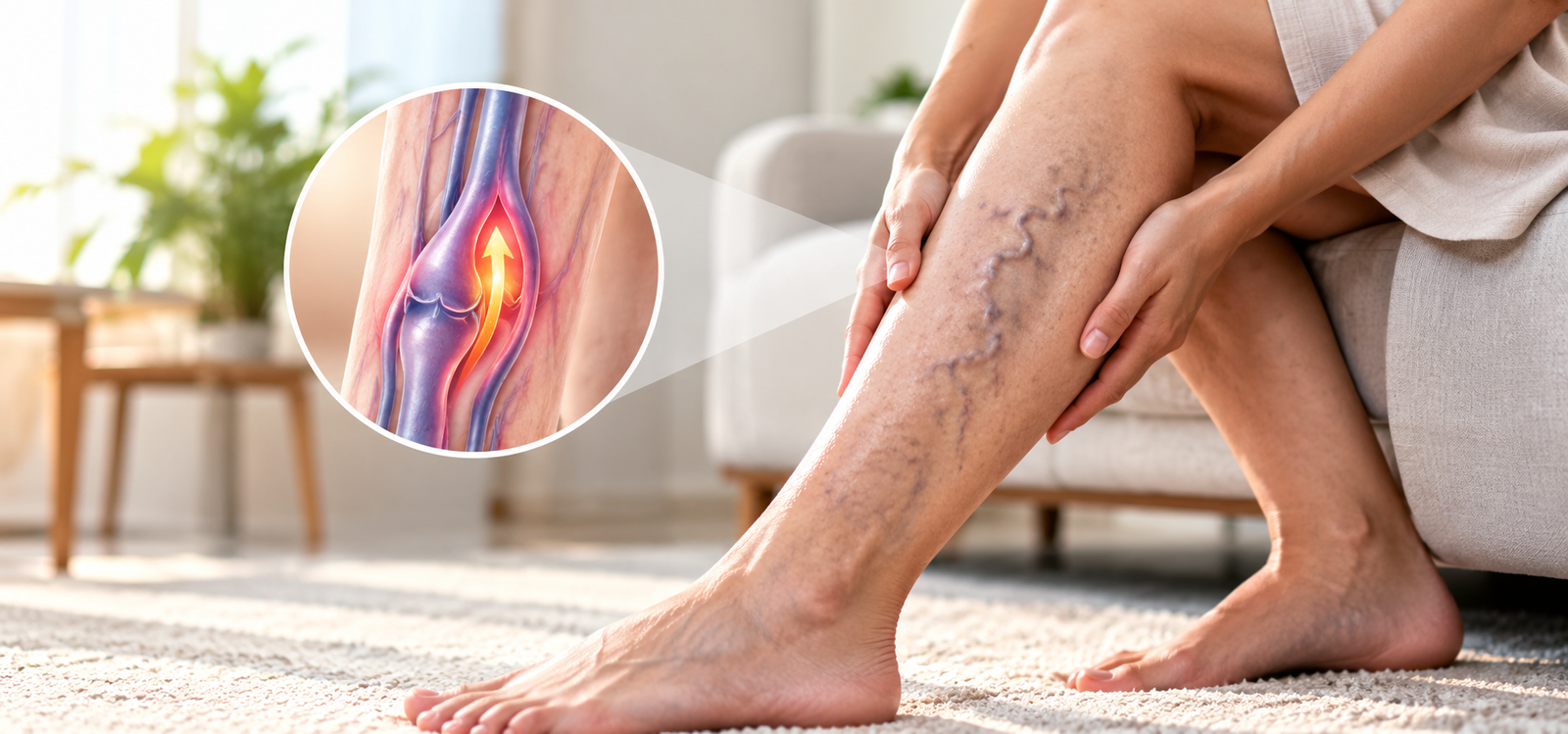
Varicose veins can develop when valves inside the leg veins do not work properly, causing blood to collect and veins to become swollen or twisted. Individuals looking for varicose veins treatment in Hyderabad can consult Dr. Viswanath Atreyapurapu, who reviews symptoms, blood flow and vein condition before clearly discussing suitable treatment options with them.
- Consultant Vascular and Endovascular Surgeon
- MBBS, MS General Surgery and DrNB Vascular Surgery
- 12+ years of clinical experience
- Consultation in Kondapur, Hyderabad
How Varicose Veins Are Evaluated Before Treatment
Understanding the cause of leg discomfort begins with a review of medical history, earlier care and concerns. A physical evaluation can identify swelling, visible changes and other signs that may need testing. When required, duplex ultrasound checks circulation and valve function, helping guide whether observation, compression, minimally invasive care or surgery is appropriate with Dr. Viswanath Atreyapurapu.
What Is Varicose Vein Treatment?
Varicose vein treatment manages enlarged superficial veins linked with abnormal blood flow and faulty valves. The approach depends on symptoms, vein anatomy, ultrasound findings and the effect on daily activity.
Treatment may include endothermal ablation, ultrasound-guided foam sclerotherapy or surgery when suitable. Compression hosiery may be considered in selected situations when interventional treatment is not appropriate.
Treatment Options That May Be Considered
Endovenous Ablation
Laser or radiofrequency energy closes veins.
Foam Sclerotherapy
Sclerosant foam closes veins under ultrasound guidance.
Phlebectomy
Surface varicosities are removed through tiny openings.
Varicose Veins Surgery in Hyderabad
Considered when other options are unsuitable.
Who May Consider Treatment for Varicose Veins in Hyderabad?
People with persistent symptoms or visible venous changes may consider specialist care when the condition affects comfort, skin health or routine activities.
- Aching, heaviness or throbbing after prolonged standing
- Persistent ankle or lower-leg swelling
- Prominent veins with discomfort, itching or tenderness
- Skin darkening, irritation or slow-healing venous wounds
- Recurrent symptoms after previous vein treatment
Common reasons for seeking vascular assessment include:
Common Varicose Vein Symptoms That May Need Treatment
Varicose veins may cause different symptoms depending on how the affected veins are functioning. When these concerns continue, varicose veins treatment in Hyderabad may be considered after assessing the symptoms, affected veins and severity of the condition
Leg Heaviness and Aching
Venous reflux can contribute to aching, heaviness or tiredness in the legs. Treating an abnormal superficial vein may reduce venous pressure in appropriately selected patients.
Swelling Around the Ankles
Swelling around the ankles or lower legs may become more noticeable after long periods of standing. A vascular evaluation can help identify whether poor vein function is contributing to the swelling before treatment is considered.
Skin Changes From Venous Disease
Long-standing venous pressure may cause pigmentation, itching or inflammatory skin changes. Assessment identifies whether treating underlying reflux forms part of management.
Venous Ulcers or Recurrent Vein Problems
Chronic venous disease may involve ulcers or recurrent varicosities. These concerns require assessment of circulation, previous procedures and wound factors before planning treatment.
Dr. Viswanath Atreyapurapu Approach to Varicose Vein Treatment in Hyderabad
Treatment planning begins by understanding symptoms and vein anatomy. Decisions follow clinical review with attention to suitability, alternatives, expected recovery and follow-up needs.
Initial Consultation
The first visit reviews symptoms, duration, previous procedures, medical history and daily activity. Patients can also discuss treatment expectations, work demands and recovery concerns.
Clinical Evaluation
The legs are examined for varicosities, swelling, skin changes and other signs of venous disease. Relevant circulation findings may also be assessed before planning further tests.
Suitability Assessment
Duplex ultrasound may identify reflux and map affected veins when indicated. Results help determine whether conservative care, endovenous treatment, sclerotherapy or surgery may be appropriate.
Personalized Treatment Planning
Treatment choice depends on vein anatomy, symptom severity, previous procedures and general health. Discussion can cover procedure steps, anaesthesia, recovery, possible risks and alternatives.
Follow-Up and Recovery Guidance
Follow-up may include wound review, symptom monitoring or ultrasound when required. Activity guidance and compression instructions depend on the procedure and individual clinical needs.

About Dr. Viswanath Atreyapurapu
Dr. Viswanath Atreyapurapu is a consultant vascular and endovascular surgeon with MBBS, MS in General Surgery and DrNB in Vascular Surgery. His clinical work includes venous disease and broader vascular care.
With more than 12 years of clinical experience, his practice includes varicose veins, venous disorders, arterial conditions and other vascular conditions requiring specialist evaluation and treatment.
Areas of Practice
- Varicose veins and venous disease
- Peripheral arterial and endovascular care
- Dialysis vascular access and AV fistula care
- Diabetic foot related vascular care
Treatment decisions follow symptoms, examination findings and imaging. This process helps individuals understand the suggested option and available alternatives.
Why Patients Consult Dr. Viswanath Atreyapurapu for Varicose Veins
Patients may seek specialist input when varicose veins cause persistent symptoms, recur after earlier care or are associated with skin changes and ulcers.
Training in vascular and endovascular surgery supports evaluation of visible veins and underlying circulation. Planning can then reflect vein anatomy, clinical need and procedural suitability.
What Patients Can Discuss During Consultation
- Whether symptoms relate to varicose veins
- Whether duplex ultrasound is needed
- Differences between ablation, sclerotherapy and surgery
- Preparation, recovery and possible risks
- Expected follow-up and activity guidance after treatment
Benefits of Varicose Veins Treatment
For appropriately selected patients, treatment may address persistent symptoms and abnormal superficial venous reflux. Potential benefits depend on the condition and procedure selected.
- Reduced leg heaviness or aching
- Management of selected visible veins
- Reduced venous pressure in suitable cases
- Support for venous skin changes
- Options matched to individual vein anatomy
What to Expect During Your Consultation
Before Your Appointment
Bring previous ultrasound scans, procedure records and medical reports if available. Keep a medicine list and note when symptoms occur plus any swelling or skin changes.
During Your Appointment
The doctor reviews symptoms and medical history then tests the legs. Further testing may be advised before discussing varicose veins treatment in Hyderabad and relevant options.
After Your Appointment
You may receive advice on observation, compression, testing or a procedure. When treatment is planned, preparation, recovery guidance and follow-up requirements are explained before proceeding.
Frequently Asked Questions
1. How are varicose veins diagnosed?
Diagnosis usually involves symptom review, leg examination and duplex ultrasound to check blood flow, valve function and affected veins.
2. When should varicose veins be treated?
Treatment may be considered when varicose veins cause pain, swelling, skin changes, ulcers or persistent discomfort affecting daily activities.
3. Is surgery always required for varicose veins?
No, depending on vein condition and symptoms, treatment may include endovenous ablation, foam sclerotherapy, compression or surgery.
4. Can varicose veins come back after treatment?
Yes, new veins may develop over time. Regular follow-up and review of recurring symptoms can help guide further management.
5. What happens if varicose veins are left untreated?
Untreated varicose veins may worsen over time and can lead to increased swelling, skin changes, discomfort or venous ulcers in some patients.
Varicose Veins Treatment in Hyderabad With Specialist Care
If visible veins, aching, swelling or skin changes affect daily comfort, a vascular assessment can help identify the cause and suitable treatment options. Schedule a consultation with Dr. Viswanath Atreyapurapu to review your symptoms, examination findings and any imaging required before planning the next step.
Book an Appointment Call +91 98495 73366